

What is the purpose of a foam cup?
Foam cups are a ubiquitous item in our daily lives, often taken for granted but serving a multitude of purposes. As a cup supplier, I've had the privilege of witnessing firsthand the diverse applications and benefits of foam cups. In this blog post, I'll delve into the various purposes of foam cups, exploring their functionality, advantages, and the scenarios where they shine.
Insulation and Temperature Retention
One of the primary purposes of foam cups is their excellent insulation properties. Foam, typically made from expanded polystyrene (EPS), is a poor conductor of heat. This means that when you pour a hot beverage like coffee or tea into a foam cup, it acts as a barrier, slowing down the transfer of heat from the liquid to the outside environment. As a result, your drink stays hot for a longer period, allowing you to savor it at your own pace.
Conversely, foam cups are also effective at keeping cold beverages cold. Whether it's a chilled soda, iced coffee, or a milkshake, the foam insulation helps to prevent the cup from sweating and keeps the contents at a refreshing temperature. This is particularly useful for outdoor events, picnics, or when you're on the go and want to enjoy a cold drink without it getting warm too quickly.
Lightweight and Portable
Foam cups are incredibly lightweight, making them easy to carry around. Unlike heavier materials such as glass or ceramic, foam cups can be transported without adding significant weight to your bag or hand. This makes them a popular choice for takeout drinks from coffee shops, fast-food restaurants, and convenience stores. You can grab a cup of coffee on your way to work or a soda at a gas station and carry it with you effortlessly.
Their portability also extends to events and gatherings. Foam cups are commonly used at parties, festivals, and outdoor concerts because they can be easily distributed to a large number of people. They can be stacked and stored compactly, taking up minimal space, and are disposable, eliminating the need for washing up afterward.
Cost-Effective
From a business perspective, foam cups are a cost-effective option for serving beverages. They are relatively inexpensive to produce compared to other types of cups, which makes them an attractive choice for businesses looking to keep their costs down. This cost savings can be passed on to the consumer, making it more affordable to purchase a drink in a foam cup.
For example, coffee shops can offer their customers a more budget-friendly option by using foam cups. This allows them to attract price-conscious customers and increase their sales volume. Additionally, the low cost of foam cups means that businesses can afford to provide cups for free at events or promotions, which can help to attract new customers and build brand awareness.
Versatility
Foam cups are incredibly versatile and can be used for a wide range of beverages and food items. In addition to hot and cold drinks, they can also be used to serve soups, stews, ice cream, and other desserts. Their wide mouth and tapered shape make them easy to hold and drink from, and they can be customized with different sizes, colors, and designs to suit the needs of different businesses and events.
For instance, a restaurant might use foam cups to serve individual portions of soup as an appetizer. The insulation properties of the foam help to keep the soup hot, and the disposable nature of the cup eliminates the need for washing up. Similarly, an ice cream parlor could use foam cups to serve their delicious treats, providing a convenient and mess-free option for customers.
Environmental Considerations
While foam cups have many advantages, it's important to address the environmental concerns associated with them. Expanded polystyrene (EPS) foam is not biodegradable and can take hundreds of years to break down in landfills. Additionally, the production of EPS foam requires the use of fossil fuels, which contributes to greenhouse gas emissions.
However, there are steps that can be taken to mitigate these environmental impacts. Some manufacturers are now producing foam cups made from recycled materials, which helps to reduce the demand for virgin EPS foam. Additionally, many businesses are encouraging customers to recycle their foam cups by providing recycling bins or partnering with recycling facilities.
Our Cup Offerings
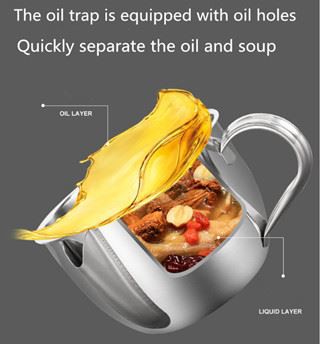
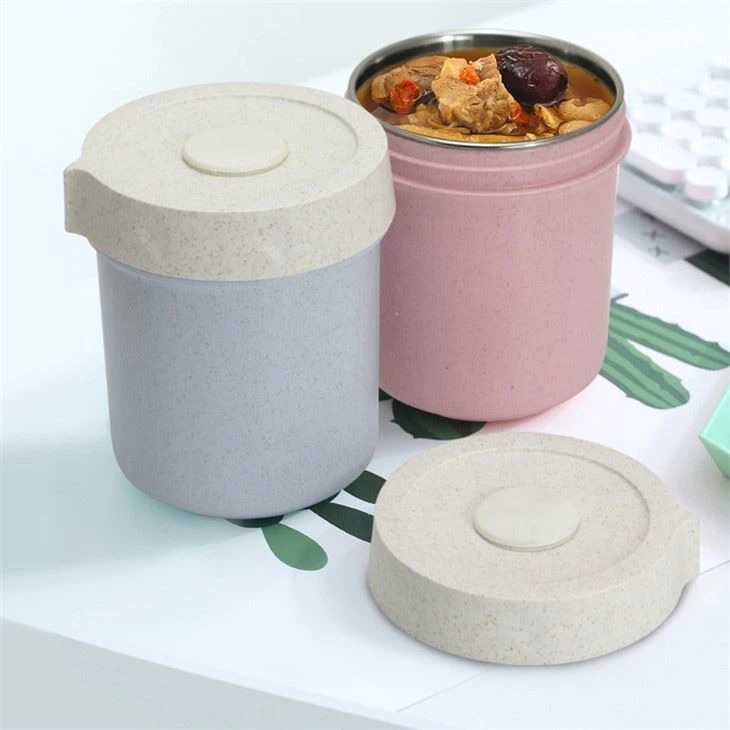
As a cup supplier, we offer a wide range of foam cups and other types of cups to meet the diverse needs of our customers. In addition to traditional foam cups, we also offer Tumbler Mugs Oil Drain Cup, which are perfect for draining oil and other liquids. Our 300ml Stainless Steel Coffee Mugs are a great option for those who prefer a more durable and reusable cup, while our Wheat Straw Soup Cup With Stainless Steel Liner is an eco-friendly alternative for serving hot soups and stews.
Conclusion
In conclusion, the purpose of a foam cup is multifaceted. It serves as an effective insulator, keeping hot drinks hot and cold drinks cold. Its lightweight and portable design make it convenient for on-the-go use, and its cost-effectiveness makes it an attractive option for businesses. The versatility of foam cups allows them to be used for a wide range of beverages and food items, and while there are environmental concerns associated with them, steps are being taken to address these issues.
If you're in the market for high-quality cups for your business or event, we invite you to explore our product offerings. We're committed to providing our customers with the best possible products and services, and we'd be happy to discuss your specific needs and requirements. Contact us today to start the procurement discussion and find the perfect cups for your needs.

References
- "Expanded Polystyrene (EPS) Foam: Properties, Applications, and Environmental Impact." Journal of Materials Science and Engineering, Vol. XX, Issue XX, 20XX.
- "The Economics of Foam Cups in the Food Service Industry." International Journal of Hospitality Management, Vol. XX, Issue XX, 20XX.
- "Environmental Sustainability of Disposable Cups: A Comparative Analysis." Environmental Science and Technology, Vol. XX, Issue XX, 20XX.