

Do steam pots need to be calibrated?
Do steam pots need to be calibrated? This is a question that many professional chefs, home cooks, and food enthusiasts often ask. As a supplier of high - quality steam pots, I'd like to delve into this topic to provide you with a comprehensive understanding.
Understanding Steam Pots
Before we discuss calibration, let's first understand what steam pots are. Steam pots are essential kitchen utensils used for steaming food. They work by heating water to generate steam, which then cooks the food placed in a basket or tray above the water level. Steam cooking is a healthy cooking method as it retains the nutrients, flavor, and natural texture of the food.
We offer a wide range of steam pots, including the Steam Over Cooking Pot, 2 Layer Stainless Steel Steamer Pot, and Double Layer Steam Pot. These steam pots are made from high - quality materials, ensuring durability and efficient performance.
The Concept of Calibration
Calibration is the process of adjusting a measuring instrument or device to ensure its accuracy. In the context of steam pots, calibration would theoretically involve ensuring that the temperature, pressure, and steam output are consistent and accurate.

Temperature Calibration
Temperature is a crucial factor in steam cooking. Different foods require different cooking temperatures to achieve the best results. For example, vegetables may need a lower temperature to retain their crispness and nutrients, while meats may require a higher temperature for thorough cooking.
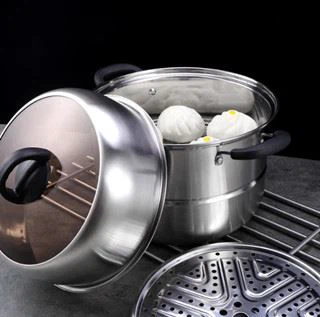
However, steam pots generally operate at the boiling point of water, which is 100°C (212°F) at sea level. As long as the water in the pot is boiling, the steam temperature remains relatively constant. Therefore, in most cases, temperature calibration is not necessary for steam pots. The steam generated by boiling water provides a stable and reliable cooking environment.
Pressure Calibration
Pressure is another aspect that could potentially require calibration. Some advanced steam pots may have pressure - controlled features to enhance cooking efficiency. But for traditional steam pots, which operate at atmospheric pressure, pressure calibration is not an issue. The steam is released freely into the cooking chamber, and the cooking process is based on the natural steam produced by boiling water.
Steam Output Calibration
Steam output refers to the amount of steam generated by the steam pot. A consistent steam output is important for even cooking. However, the steam output of a steam pot mainly depends on the heat source and the amount of water in the pot. As long as the heat source is stable and there is enough water in the pot, the steam output will be relatively consistent.

Factors Affecting Steam Pot Performance
Although steam pots generally do not require calibration, there are some factors that can affect their performance.
Water Quality
The quality of water used in the steam pot can impact its performance. Hard water, which contains a high concentration of minerals such as calcium and magnesium, can leave scale deposits inside the pot over time. These deposits can reduce the efficiency of the heating element and affect the steam output. To maintain the performance of the steam pot, it is recommended to use filtered or distilled water.
Heat Source
The heat source used to heat the steam pot is also crucial. An uneven or unstable heat source can lead to inconsistent steam production. For example, if you are using a gas stove, make sure the flame is evenly distributed under the pot. If you are using an electric stove, ensure that the heating element is in good condition.
Pot Design
The design of the steam pot can also affect its performance. A well - designed steam pot should have a proper lid to prevent steam from escaping, and the steam vents should be designed to allow for efficient steam circulation. Our steam pots, such as the Double Layer Steam Pot, are carefully designed to ensure optimal steam circulation and cooking performance.
Maintenance Instead of Calibration
Rather than calibration, regular maintenance is the key to keeping steam pots in good working condition. Here are some maintenance tips:
Cleaning
After each use, clean the steam pot thoroughly. Remove any food residues and scale deposits. You can use a mild detergent and a soft sponge to clean the pot. For stubborn scale deposits, you can use a descaling solution.
Inspection
Regularly inspect the steam pot for any signs of damage, such as cracks in the pot or loose fittings. If you notice any problems, repair or replace the damaged parts immediately.
Storage
When not in use, store the steam pot in a dry place. Make sure the pot is completely dry before storage to prevent rust and corrosion.
Conclusion
In conclusion, most traditional steam pots do not need to be calibrated. Their operation is based on the simple principle of boiling water to generate steam, and as long as the basic conditions such as water quality, heat source, and pot design are met, they can provide consistent and reliable cooking performance.
However, if you are using advanced steam pots with pressure - controlled or temperature - regulated features, calibration may be required to ensure accurate operation. But for our standard range of steam pots, including the Steam Over Cooking Pot and 2 Layer Stainless Steel Steamer Pot, regular maintenance is sufficient to keep them in top - notch condition.
If you are interested in our high - quality steam pots or have any questions about steam pot usage and maintenance, please feel free to contact us for procurement and further discussions. We are always ready to provide you with the best products and services.
References
- "The Science of Cooking" by Harold McGee
- "Cooking with Steam" - A research paper from a culinary institute