

How to disinfect dinnerware?
Hey there! As a dinnerware supplier, I've seen all sorts of dinnerware, from fancy plates to practical lunch boxes. One question I get asked a lot is, "How to disinfect dinnerware?" Well, I'm here to share some tips and tricks on keeping your dinnerware clean and germ - free.
First off, let's talk about why disinfecting dinnerware is so important. We use dinnerware every day to eat and drink. If it's not properly disinfected, it can become a breeding ground for bacteria, viruses, and other harmful microorganisms. These can cause all sorts of health problems, from a simple stomachache to more serious illnesses. So, making sure your dinnerware is clean is a must for a healthy lifestyle.
Now, let's get into the different methods of disinfecting dinnerware.
Dishwashing with Soap and Water
This is the most basic and common way to clean dinnerware. Start by scraping off any leftover food into the trash. Then, fill your sink or dishwasher with warm water and add a good amount of dish soap.
For hand - washing, use a sponge or a dishcloth to scrub each piece of dinnerware thoroughly. Pay special attention to the edges, handles, and any crevices where food particles might get stuck. Rinse the dinnerware under running water until all the soap is gone.
If you're using a dishwasher, load the dinnerware properly. Make sure there's enough space between each item so that the water and detergent can circulate freely. Select the appropriate cycle based on how dirty the dinnerware is. Usually, a normal cycle with hot water is sufficient for most everyday cleaning.
This method is great for removing dirt and most bacteria. However, it might not be enough to kill more stubborn germs. That's where other disinfection methods come in.
Using a Dishwasher with a Sanitize Cycle
Many modern dishwashers come with a sanitize cycle. This cycle uses high - temperature water to kill a large percentage of bacteria and viruses on your dinnerware.
When using the sanitize cycle, make sure to follow the manufacturer's instructions. Some dishwashers require you to use a special detergent or rinse aid for the sanitize cycle to work effectively. Also, don't overload the dishwasher, as this can prevent the water from reaching all the items.
The high - temperature water in the sanitize cycle can reach up to 150°F (65°C) or more, which is hot enough to kill most common pathogens. It's a convenient and efficient way to disinfect your dinnerware, especially if you have a large amount of it.
Boiling
Boiling is an old - fashioned but very effective way to disinfect dinnerware. It's especially useful for items like baby bottles, utensils, and small plates.
Fill a large pot with water and bring it to a rolling boil. Carefully place the dinnerware into the boiling water. Make sure the items are fully submerged. Let the water continue to boil for at least 5 - 10 minutes.
After boiling, use tongs to remove the dinnerware from the pot. Place it on a clean towel to dry. Boiling can kill almost all types of bacteria, viruses, and fungi. However, it might not be suitable for all types of dinnerware. For example, items with delicate finishes or those made of materials that can't withstand high temperatures, like some plastic or wooden pieces, should not be boiled.
Using a Bleach Solution
Bleach is a powerful disinfectant that can kill a wide range of germs. To make a bleach solution, mix 1 tablespoon of unscented bleach with 1 gallon (about 3.8 liters) of water.
Before using the bleach solution, make sure to wash the dinnerware with soap and water first. Then, soak the dinnerware in the bleach solution for at least 5 minutes. Use a sponge or a brush to scrub the items gently while they're in the solution.
After soaking, rinse the dinnerware thoroughly under running water to remove any traces of bleach. Let it air - dry on a clean surface.
It's important to note that bleach can damage some types of dinnerware, especially those made of metal or with colored finishes. So, test the bleach solution on a small, inconspicuous area first to make sure it won't cause any damage.
Using a Commercial Disinfectant
There are many commercial disinfectants available on the market that are specifically designed for cleaning and disinfecting dinnerware. These products come in various forms, such as sprays, wipes, and liquids.
When using a commercial disinfectant, read the label carefully and follow the instructions. Some disinfectants require you to spray or wipe the dinnerware and then let it sit for a certain amount of time before rinsing. Others can be used in a dishwasher or a sink.
Commercial disinfectants are convenient and can be very effective. However, make sure to choose a product that is safe for use on dinnerware and that has been approved by relevant health authorities.
Now, let's talk about different types of dinnerware and how to disinfect them.
Dinner Plates and Bowls
Plates and bowls are the most commonly used dinnerware items. For ceramic, porcelain, and glass plates and bowls, most of the disinfection methods mentioned above can be used. They can be washed in a dishwasher, boiled, soaked in a bleach solution, or cleaned with a commercial disinfectant.
However, for plates and bowls with gold or silver accents, avoid using abrasive sponges or harsh chemicals like bleach, as these can damage the decorative elements. Stick to gentle dish soap and warm water for regular cleaning, and use a mild commercial disinfectant if necessary.
Utensils
Utensils, such as forks, knives, and spoons, can be easily disinfected. They can be washed in a dishwasher or by hand with soap and water. If you want to give them an extra level of disinfection, you can boil them or soak them in a bleach solution.
For wooden utensils, avoid boiling or soaking them in a bleach solution, as this can cause the wood to warp or crack. Instead, wash them with mild soap and water and let them air - dry. You can also use a food - safe wood oil to keep the wood in good condition.
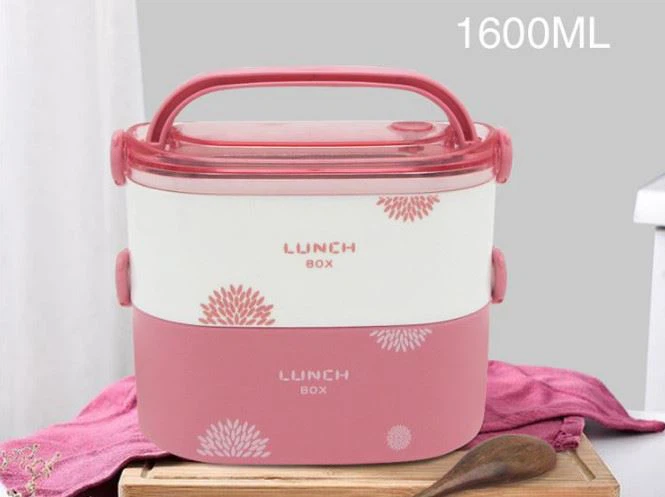
Double Wall Food Storage Lunch Box
These lunch boxes are great for keeping food fresh and at the right temperature. To disinfect them, start by removing any food residue. Wash the lunch box with warm, soapy water, paying attention to the inside compartments and the lid.
If the lunch box is dishwasher - safe, you can run it through a normal cycle. However, if it has a rubber gasket or other parts that might be damaged in the dishwasher, it's better to wash it by hand.
For a deeper clean, you can soak the lunch box in a mild bleach solution or use a commercial disinfectant. Make sure to rinse it thoroughly and let it dry completely before using it again.
Kids Picnic Thermal Food Container 630 ml
Since these containers are used by kids, it's especially important to keep them clean and germ - free. Wash the container with soap and water after each use. If possible, disassemble the parts, such as the lid and the inner liner, for a more thorough cleaning.
You can use a dishwasher to clean the container if it's dishwasher - safe. Otherwise, soak the parts in a mild disinfectant solution and then rinse them well.
Kitchen Cookware Pots And Pans
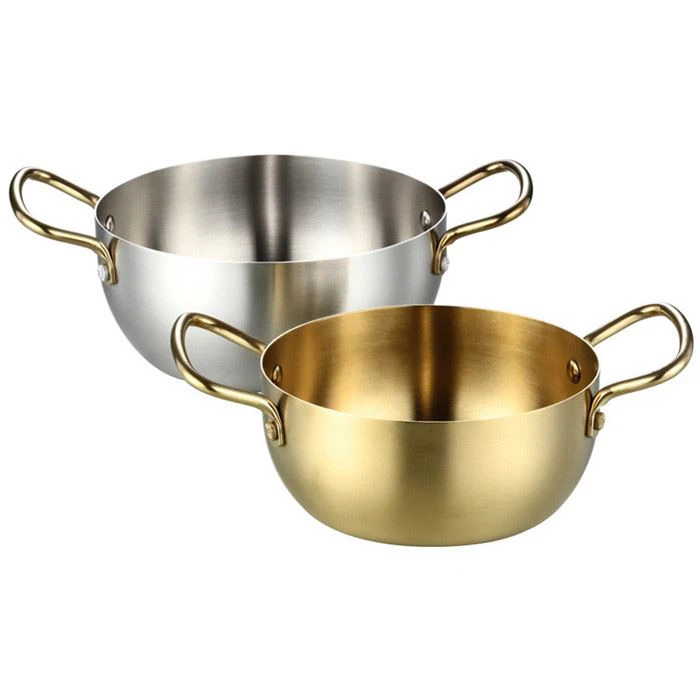
Pots and pans need to be disinfected regularly, especially if they're used to cook raw meat or other potentially contaminated foods. For stainless - steel pots and pans, they can be washed in a dishwasher or by hand with soap and water. You can also use a mild abrasive cleaner to remove stubborn stains.
For non - stick pots and pans, avoid using abrasive sponges or harsh chemicals, as these can damage the non - stick coating. Instead, use a soft sponge and mild dish soap. If necessary, you can soak the non - stick pot or pan in warm, soapy water for a while to loosen the dirt.
In conclusion, keeping your dinnerware clean and disinfected is essential for maintaining good health. By using the right disinfection methods and taking proper care of different types of dinnerware, you can ensure that your dinnerware is safe to use every day.
If you're in the market for high - quality dinnerware, whether it's plates, bowls, lunch boxes, or cookware, I'm here to help. I can offer you a wide range of products that are not only stylish but also easy to clean and disinfect. Feel free to reach out to me for more information and to start a procurement discussion. I'll be more than happy to assist you in finding the perfect dinnerware for your needs.
References:
- "Food Safety and Sanitation" by the United States Department of Agriculture
- "Cleaning and Disinfecting Your Home" by the Centers for Disease Control and Prevention
- Manufacturer's instructions for various dinnerware products