

Can a stainless ice bucket keep wine cold?
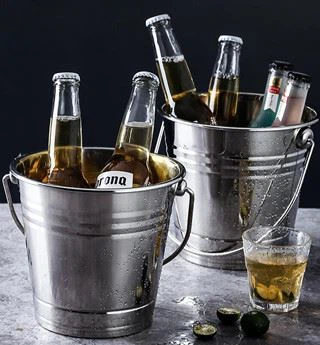
Yo, folks! As a supplier of Stainless Ice Bucket, I get asked this question a lot: "Can a stainless ice bucket keep wine cold?" Well, let's dive right into it and find out.
First off, let's talk about why keeping wine cold is a big deal. Wine, especially white and sparkling wines, tastes best when it's chilled. The cold temperature helps to preserve the wine's flavors and aromas, making your sipping experience a whole lot more enjoyable. Nobody wants to drink a warm glass of white wine - it just doesn't hit the same way.
Now, let's get into the nitty - gritty of stainless ice buckets. Stainless steel is a popular material for ice buckets for several reasons. It's durable, which means it can withstand a bit of rough handling. You can take it to picnics, parties, or just keep it in your kitchen without worrying about it getting damaged easily. It's also relatively easy to clean. A simple wash with soap and water, and it's good as new.
But the real question is, how well does it keep wine cold?
Stainless steel has a high thermal conductivity. This means that it can transfer heat relatively quickly. On one hand, this can be a good thing. When you put ice in a stainless ice bucket, the cold from the ice can transfer to the wine bottle faster compared to some other materials. So, initially, it can cool down your wine quite rapidly.
However, this same property can also be a drawback. Since stainless steel transfers heat quickly, it also allows heat from the surrounding environment to seep in. If you're using the ice bucket outdoors on a hot day, the heat from the air will start to warm up the ice and the wine inside the bucket. The ice will melt faster, and your wine won't stay cold for as long as you might like.
But don't worry, there are ways to make a stainless ice bucket work better at keeping your wine cold.
One of the simplest things you can do is to pre - chill the ice bucket. Fill it with ice and let it sit for a few minutes before you put your wine bottle in. This will cool down the bucket itself, so when you place the wine inside, it doesn't have to fight against a warm container.
Another tip is to use a lot of ice. The more ice you have in the bucket, the longer it will take for the heat from the environment to melt it all and warm up the wine. You can also add a bit of water to the ice. The water helps to conduct the cold more evenly around the wine bottle, and it can also slow down the melting process of the ice.
If you're really serious about keeping your wine cold for a long time, you might want to consider using a double - walled stainless ice bucket. The double - wall design creates an insulating layer between the inner and outer walls of the bucket. This layer helps to reduce the amount of heat transfer from the outside, keeping the ice and the wine colder for longer.
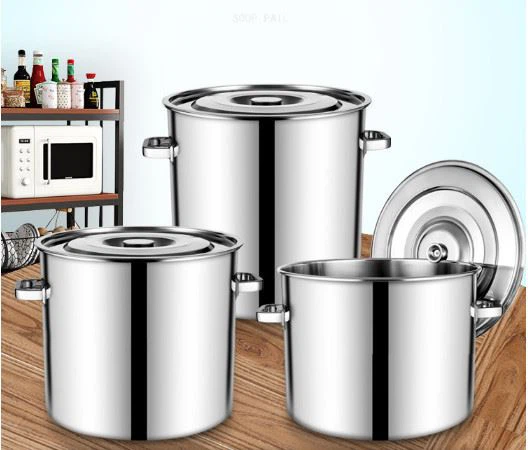
Now, let's compare stainless ice buckets with some other types of containers we offer, like the Stainless Steel Barrel Soup Bucket Pot and the Deep Thickening Barrel Soup Barrel Pot. While these pots are great for holding soup and other hot liquids, they're not really designed to keep wine cold. They don't have the right shape or insulation properties for that purpose. The stainless ice bucket, on the other hand, is specifically designed to hold wine bottles and ice, making it a much better choice for keeping your wine chilled.
In conclusion, a stainless ice bucket can keep wine cold, but its performance depends on a few factors. With proper use and a few tricks, it can do a pretty good job of keeping your wine at the right temperature for a reasonable amount of time. Whether you're hosting a small gathering at home or taking your wine on a picnic, a stainless ice bucket can be a handy addition to your wine - serving setup.
If you're in the market for a high - quality stainless ice bucket, or if you have any questions about our products, don't hesitate to reach out. We're here to help you find the perfect solution for your wine - chilling needs. Contact us for more information and let's start a great business relationship.
References
- "The Science of Wine Chilling", Wine Enthusiast Magazine
- "Materials and Their Thermal Properties", Engineering Handbook