

What materials are cups usually made of?
Cups are ubiquitous in our daily lives, serving a multitude of purposes from holding our morning coffee to storing liquids in industrial settings. As a cup supplier, I've had the privilege of working with a wide array of materials, each with its unique properties, advantages, and applications. In this blog post, I'll delve into the common materials used to make cups, exploring their characteristics and suitability for different needs.
Ceramic Cups
Ceramic cups are a classic choice known for their aesthetic appeal and heat retention properties. They are made from clay that is fired at high temperatures, resulting in a hard, durable material. Ceramic cups come in a variety of colors, shapes, and designs, making them a popular option for both home and commercial use.
One of the main advantages of ceramic cups is their ability to retain heat. This makes them ideal for serving hot beverages such as coffee, tea, and hot chocolate. Ceramic also has a neutral taste, which means it won't affect the flavor of the drink. Additionally, ceramic cups are relatively easy to clean and maintain, as they can be washed in the dishwasher.
However, ceramic cups are also prone to chipping and breaking if dropped or mishandled. They are also heavier than some other materials, which may make them less convenient for on-the-go use. Despite these drawbacks, ceramic cups remain a popular choice for their beauty and functionality.
Glass Cups
Glass cups are another popular choice, known for their transparency and elegance. They are made from silica sand, soda ash, and limestone, which are melted together at high temperatures. Glass cups come in a variety of styles, including clear, colored, and frosted, and can be used for both hot and cold beverages.
One of the main advantages of glass cups is their transparency, which allows you to see the contents of the cup. This can be particularly appealing when serving colorful drinks such as cocktails or fruit juices. Glass also has a neutral taste, which means it won't affect the flavor of the drink. Additionally, glass cups are easy to clean and can be washed in the dishwasher.
However, glass cups are also fragile and can break easily if dropped or mishandled. They are also not as good at retaining heat as ceramic cups, which means they may not be the best choice for serving hot beverages. Despite these drawbacks, glass cups remain a popular choice for their beauty and functionality.
Plastic Cups
Plastic cups are a lightweight and affordable option, commonly used for disposable cups and on-the-go use. They are made from a variety of plastics, including polyethylene (PE), polypropylene (PP), and polystyrene (PS). Plastic cups come in a variety of sizes, shapes, and colors, and can be used for both hot and cold beverages.
One of the main advantages of plastic cups is their affordability. They are also lightweight and easy to carry, making them a popular choice for outdoor events and parties. Additionally, plastic cups are disposable, which means they don't need to be washed after use.

However, plastic cups are also not as durable as ceramic or glass cups and can break or crack easily. They are also not as good at retaining heat as ceramic cups, which means they may not be the best choice for serving hot beverages. Additionally, plastic cups are made from non-renewable resources and can take hundreds of years to decompose, which makes them an environmental concern.
Stainless Steel Cups
Stainless steel cups are a durable and long-lasting option, commonly used for both home and commercial use. They are made from a combination of iron, chromium, and nickel, which makes them resistant to corrosion and rust. Stainless steel cups come in a variety of sizes, shapes, and designs, and can be used for both hot and cold beverages.
One of the main advantages of stainless steel cups is their durability. They are resistant to scratches, dents, and cracks, which means they can last for many years. Stainless steel also has excellent heat retention properties, which makes it ideal for serving hot beverages. Additionally, stainless steel cups are easy to clean and can be washed in the dishwasher.
Another advantage of stainless steel cups is their versatility. They can be used for a variety of purposes, including drinking water, coffee, tea, and other beverages. They are also popular for outdoor activities such as camping and hiking, as they are lightweight and easy to carry.
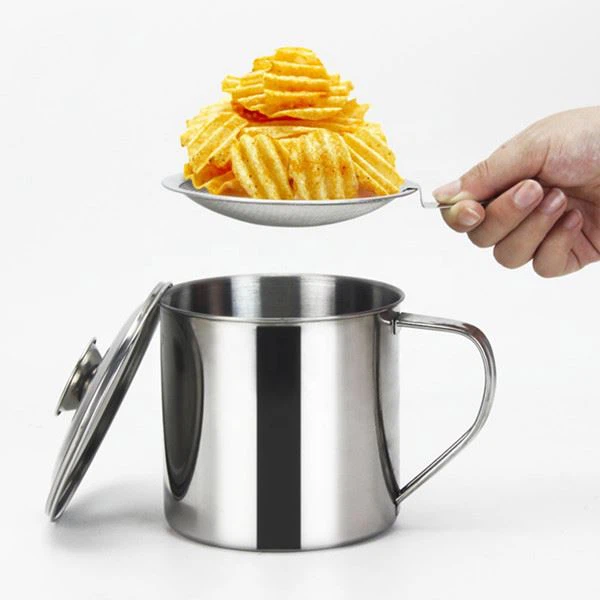
At our company, we offer a range of stainless steel cups, including the Stainless Steel Oil Filter Storage Cup, the Stainless Steel Mug with Lid, and the Stainless Steel Oil Filter Cup. These cups are made from high-quality stainless steel and are designed to meet the needs of our customers.
Bamboo Cups
Bamboo cups are a sustainable and eco-friendly option, commonly used for both home and commercial use. They are made from bamboo, a fast-growing and renewable resource. Bamboo cups come in a variety of sizes, shapes, and designs, and can be used for both hot and cold beverages.
One of the main advantages of bamboo cups is their sustainability. Bamboo is a fast-growing and renewable resource that can be harvested without causing environmental damage. Additionally, bamboo cups are biodegradable, which means they will break down naturally over time.
Another advantage of bamboo cups is their natural beauty. They have a unique texture and color that adds a touch of elegance to any table setting. Bamboo cups are also lightweight and easy to carry, making them a popular choice for outdoor activities such as camping and hiking.
However, bamboo cups are not as durable as ceramic or stainless steel cups and can be prone to cracking or splitting if not properly cared for. They are also not as good at retaining heat as ceramic or stainless steel cups, which means they may not be the best choice for serving hot beverages.
Conclusion
In conclusion, cups can be made from a variety of materials, each with its unique properties, advantages, and applications. When choosing a cup, it's important to consider your needs and preferences, as well as the intended use of the cup. Whether you're looking for a classic ceramic cup, an elegant glass cup, a lightweight plastic cup, a durable stainless steel cup, or a sustainable bamboo cup, there's a cup out there that's perfect for you.
As a cup supplier, I'm committed to providing my customers with high-quality cups that meet their needs and preferences. If you're interested in learning more about our products or would like to place an order, please don't hesitate to contact us. We'd be happy to help you find the perfect cup for your needs.
References
- "Materials Used in Cup Manufacturing." Encyclopedia of Household Items.
- "The Benefits of Different Cup Materials." Journal of Beverage Serving.
- "Stainless Steel: Properties and Applications." Metal Manufacturing Review.
- "Bamboo as a Sustainable Material for Consumer Goods." Environmental Materials Journal.