

What is the load - carrying capacity of a Bowl Collecting Car?
As a seasoned supplier of Bowl Collecting Cars, I understand that one of the most frequently asked questions is about the load - carrying capacity of these essential pieces of equipment. In this blog post, I'll delve into what determines the load - carrying capacity of Bowl Collecting Cars, the implications of different capacities, and how to choose the right one for your specific needs.
Understanding Load - Carrying Capacity
The load - carrying capacity of a Bowl Collecting Car refers to the maximum weight it can safely carry under normal operating conditions. This capacity is critical as it directly impacts the efficiency and safety of operations. If a Bowl Collecting Car is overloaded, it can lead to accelerated wear and tear, damage to the cart, and even pose a safety risk to the operators.
Several factors contribute to determining the load - carrying capacity of a Bowl Collecting Car.
Structural Design
- Frame Material: The material used for the frame is a fundamental factor. Heavy - duty steel frames are known for their high strength and durability, allowing them to support larger loads compared to plastic or aluminum frames. Steel frames can withstand substantial weight without bending or breaking, making them ideal for high - volume bowl collection in busy commercial kitchens or large - scale food service establishments.
- Wheel Quality and Design: The wheels play a significant role in distributing the weight of the load evenly. High - quality wheels with a large diameter and appropriate bearing capacity can handle heavier loads. For instance, industrial - grade casters with a high - load rating can provide better stability and maneuverability, even when the cart is fully loaded. Wheels that are resistant to wear and tear will also ensure long - term performance as the Bowl Collecting Car is constantly in motion.
Compartmentalization
- Number and Size of Compartments: The way the interior of the Bowl Collecting Car is divided into compartments affects its load - carrying capacity. A larger number of compartments, if designed appropriately, can distribute the weight evenly across the cart. However, if the compartments are too small, it may limit the size of the bowls that can be collected, reducing the overall capacity. On the other hand, fewer but larger compartments may allow for the collection of bulkier items, but proper weight distribution must be considered to prevent the cart from tipping over.
Different Types of Bowl Collecting Cars and Their Load - Carrying Capacities
There are various types of Bowl Collecting Cars available in the market, each with its own load - carrying capacity to suit different applications.
Three - tier Car Trash Can Multifunction Plastic Trolley
The Three - tier Car Trash Can Multifunction Plastic Trolley is a popular choice for hotels and smaller food service venues. It is typically made of lightweight yet durable plastic. Due to its plastic construction, it has a relatively lower load - carrying capacity compared to steel - framed carts, usually ranging from 50 to 100 kilograms. This type of cart is well - suited for collecting a moderate number of bowls and other small kitchen items during regular service operations.
Three - tier Carts Collecting Food Trucks Collecting Bowls
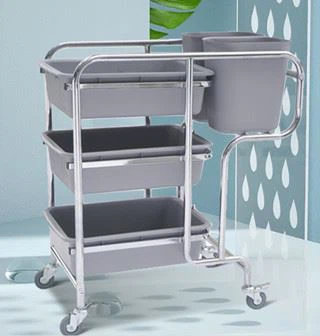
The Three - tier Carts Collecting Food Trucks Collecting Bowls is designed for more heavy - duty use, often found in large restaurants, hotels, and food trucks. These carts are usually constructed with a steel frame and high - quality wheels. They can have a load - carrying capacity of 150 to 250 kilograms, making them suitable for collecting a large number of bowls, plates, and other kitchenware. The three - tier design allows for efficient organization of the collected items, further enhancing the cart's functionality.
Restaurant Bowl Collection Withdraw Trolley Food Service Cart
The Restaurant Bowl Collection Withdraw Trolley Food Service Cart is engineered for high - volume restaurant environments. With its robust construction and well - designed weight - distribution system, it can handle loads up to 300 kilograms or more. This type of cart is often equipped with advanced features such as easy - to - use brakes and smooth - rolling wheels to ensure safe and efficient operation even when fully loaded.
Implications of Load - Carrying Capacity
The load - carrying capacity of a Bowl Collecting Car has several implications for businesses.
Operational Efficiency
- Fewer Trips: A cart with a higher load - carrying capacity means fewer trips are required to collect and transport bowls. This saves time and labor costs, allowing staff to focus on other important tasks in the kitchen or dining area.
- Increased Productivity: With a cart that can handle more bowls at once, the overall productivity of the bowl - collection process is enhanced. It can keep up with the high - pace demands of busy restaurants, hotel kitchens, and catering services.
Cost - Effectiveness
- Long - term Investment: Investing in a Bowl Collecting Car with an appropriate load - carrying capacity can be more cost - effective in the long run. A cart that can handle heavier loads is less likely to break down due to overloading, reducing maintenance and replacement costs.
Safety
- Risk of Overloading: Overloading a Bowl Collecting Car can lead to serious safety issues. It can cause the cart to tip over, potentially injuring the operator and causing damage to the surroundings. Therefore, it is crucial to choose a cart with a load - carrying capacity that matches the actual needs of the operation.
Choosing the Right Load - Carrying Capacity
When selecting a Bowl Collecting Car, it is essential to consider the following factors to determine the appropriate load - carrying capacity.

Volume of Bowls
- Peak Demand: Analyze the peak volume of bowls that need to be collected during the busiest times of the day or week. This will help you determine the minimum load - carrying capacity required.
- Growth Projections: If your business is expected to grow in the future, it may be wise to choose a cart with a slightly higher load - carrying capacity to accommodate the increasing demand.
Type of Bowls
- Size and Weight: Different types of bowls have different sizes and weights. If you collect large and heavy bowls, you will need a cart with a higher load - carrying capacity compared to one that collects small and lightweight bowls.
Frequency of Use
- Continuous vs. Occasional Use: If the Bowl Collecting Car is used continuously throughout the day, a more robust cart with a higher load - carrying capacity is recommended. For occasional use, a cart with a lower capacity may suffice.
If you're in the market for a Bowl Collecting Car and want to discuss the load - carrying capacity and other features that best suit your requirements, I encourage you to reach out. Whether you're running a small café or a large hotel kitchen, we have the expertise to help you make an informed decision. We are eager to address all your queries and collaborate with you to ensure you get the most suitable Bowl Collecting Car for your business.
References
- Engineering Principles of Material Handling Equipment.
- Guide to Food Service Equipment Selection.