

What is the impact of altitude on using a double layer steam pot?
Altitude plays a significant role in various aspects of cooking, and when it comes to using a double layer steam pot, its impact cannot be overlooked. As a supplier of high - quality double layer steam pots, I've witnessed firsthand how altitude can affect the performance and functionality of these cooking vessels. In this blog, we'll explore the scientific reasons behind the influence of altitude on double layer steam pots and provide some useful tips for cooking at different elevations.
The Science of Altitude and Boiling Point
Before delving into the impact on double layer steam pots, it's essential to understand the relationship between altitude and the boiling point of water. At sea level, water boils at 100°C (212°F). However, as altitude increases, the atmospheric pressure decreases. With lower atmospheric pressure, the boiling point of water also drops. For every 500 - 1000 feet (152 - 305 meters) increase in altitude, the boiling point of water decreases by approximately 1°F (0.56°C).

For example, in Denver, Colorado, which has an altitude of about 5280 feet (1609 meters), water boils at around 95°C (203°F). This lower boiling point has direct implications for cooking with a double layer steam pot, as steam is the primary medium used for cooking in these pots.
Impact on Cooking Time
One of the most noticeable effects of altitude on using a double layer steam pot is the increase in cooking time. Since the steam produced at higher altitudes is at a lower temperature, it takes longer for the food to cook thoroughly. For instance, if a recipe at sea level calls for steaming vegetables for 10 minutes, at a high - altitude location, you may need to extend the cooking time to 12 - 15 minutes or even more, depending on the specific altitude and the type of food being cooked.
This is because the lower - temperature steam transfers heat to the food at a slower rate. The proteins in meats, for example, denature and coagulate more slowly at lower temperatures. Vegetables also take longer to soften and reach the desired tenderness. As a supplier, I often hear from customers in high - altitude areas complaining about undercooked food when following sea - level recipes. To address this issue, it's crucial to adjust the cooking time based on your altitude.
Impact on Steam Production
Altitude can also affect the rate of steam production in a double layer steam pot. At higher altitudes, the lower atmospheric pressure allows water to vaporize more quickly. However, since the boiling point is lower, the steam produced is less energetic. This means that while the water may start boiling faster, the steam may not be as effective in transferring heat to the food.
In a double layer steam pot, the steam rises from the bottom layer (where the water is heated) to the upper layer where the food is placed. At high altitudes, the weaker steam may not rise as efficiently, resulting in uneven cooking. Some parts of the food may receive less heat, leading to inconsistent results. To counteract this, you might need to ensure that the water in the bottom layer is replenished regularly to maintain a steady supply of steam.
Impact on Food Texture and Quality
The lower - temperature cooking environment at high altitudes can have a significant impact on the texture and quality of the food cooked in a double layer steam pot. For example, when steaming bread or other baked goods, the lower - temperature steam may not cause the dough to rise as effectively. The result could be a denser and less fluffy product.
In the case of seafood, the slower cooking process can lead to over - drying in some areas while other parts remain undercooked. The delicate balance between cooking the outer layers and the interior is more difficult to achieve at high altitudes. Vegetables may also lose some of their vibrant color and nutritional value if they are overcooked in an attempt to compensate for the lower - temperature steam.
Tips for Cooking at High Altitudes with a Double Layer Steam Pot
- Adjust Cooking Time: As mentioned earlier, increase the cooking time based on your altitude. Start by adding a few extra minutes and adjust as needed based on the results. You can also refer to altitude - specific cooking charts available online or in cookbooks.
- Maintain Steam Supply: Keep an eye on the water level in the bottom layer of the pot. Add water as needed to ensure a continuous supply of steam. You may also want to use a pot with a larger capacity for the water reservoir to reduce the frequency of refilling.
- Use a Lid: A well - fitting lid helps to trap the steam inside the pot, increasing the efficiency of heat transfer. Make sure the lid seals tightly to prevent steam from escaping.
- Experiment with Recipes: Don't be afraid to modify recipes to suit high - altitude cooking. You may need to adjust the amount of liquid, leavening agents, or seasonings to achieve the desired results.
Our Double Layer Steam Pot Offerings
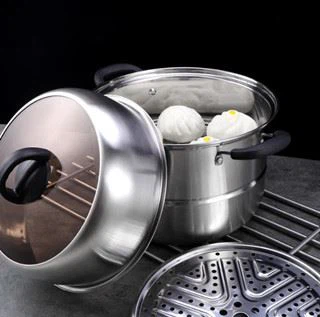
As a supplier, I'm proud to offer a range of high - quality double layer steam pots that are suitable for cooking at all altitudes. Our Stainless Steel Steamer Soup Pot is made from durable stainless steel, which ensures even heat distribution and long - lasting performance. The double - layer design allows you to steam different types of food simultaneously, saving time and energy.
For those who need more cooking capacity, our 2 Layer Stainless Steel Steamer Pot is an excellent choice. It provides ample space for steaming larger quantities of food, whether it's for a family dinner or a small gathering.
If you're looking for even more versatility, our Stainless Steel Stackable 3 - layer Steamer Cooking Pot is the perfect solution. The stackable design allows you to expand your cooking options and steam multiple types of food at once.
Contact for Purchase and Discussion
If you're interested in purchasing our double layer steam pots or have any questions about cooking at different altitudes, I encourage you to reach out. Our team of experts is always ready to assist you in finding the right pot for your needs and providing valuable cooking tips. Whether you're a home cook or a professional chef, we can help you make the most of your double layer steam pot, regardless of your location's altitude.
References
- "The Science of Cooking at High Altitudes", American Chemical Society
- "Cooking for Altitude", Extension Service, Colorado State University
- "High - Altitude Cooking Guide", United States Department of Agriculture