

What is the heat - retention ability of a soup pot?
Hey there, foodies and cooking enthusiasts! As a supplier of top - notch soup pots, I'm super stoked to dive deep into the topic of what the heat - retention ability of a soup pot really means.
First off, let's talk about why heat retention is such a big deal when it comes to soup pots. Picture this: you've spent hours simmering a delicious, savory soup, packing it full of flavors from fresh veggies, tender meats, and aromatic herbs. You're ready to serve it up, but you don't want it to turn cold before everyone at the table gets a chance to savor every spoonful. That's where a soup pot with great heat - retention ability comes in.
The heat - retention ability of a soup pot refers to how well it can hold onto the heat after the soup has been cooked. A pot with good heat retention will keep your soup piping hot for longer periods, allowing you to enjoy a warm and comforting meal without having to constantly reheat it.
So, what factors affect the heat - retention ability of a soup pot?
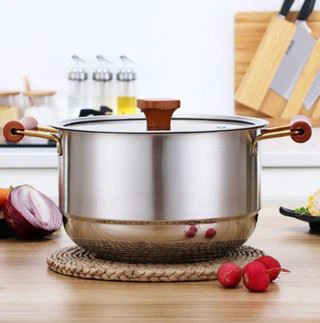

Material Matters
The material of the soup pot plays a huge role in its heat - retention capabilities. Different materials have different thermal properties, which determine how well they can absorb, store, and release heat.
Stainless Steel
Stainless steel is a popular choice for soup pots, and it has some decent heat - retention qualities. It's durable, easy to clean, and resistant to rust and corrosion. Stainless steel soup pots, like the ones you can check out at Stainless Steel Soup Pot, heat up relatively quickly. However, compared to some other materials, it doesn't hold onto heat as well. This is because stainless steel has a relatively low thermal mass, which means it doesn't store a large amount of heat energy. But don't get me wrong, it's still a great option, especially if you're looking for a pot that's versatile and long - lasting.
Cast Iron
Cast iron is a heavyweight when it comes to heat retention. It has a high thermal mass, which means it can absorb a large amount of heat and hold onto it for a long time. Once a cast - iron soup pot is heated up, it will keep your soup warm for ages. The downside is that it takes longer to heat up initially, and it requires a bit more maintenance. You need to season it regularly to prevent rusting. But if you're willing to put in the effort, a cast - iron soup pot can be a game - changer in the kitchen.
Ceramic
Ceramic soup pots are also known for their good heat - retention abilities. They heat up slowly but evenly, and they can keep the soup warm for a reasonable amount of time. Ceramic has an insulating property that helps to trap the heat inside the pot. However, ceramic pots are more fragile than stainless steel or cast iron, so you need to handle them with care.
Design and Thickness
The design and thickness of the soup pot also impact its heat - retention. A pot with a thick bottom and walls will generally have better heat retention than a thin - walled one. The extra material provides more mass for the heat to be stored in.
Some soup pots are designed with multiple layers or an insulated construction. These types of pots are specifically engineered to enhance heat retention. For example, there are double - walled stainless steel pots that have a vacuum layer in between the walls. This vacuum acts as an insulator, preventing heat from escaping and keeping the soup warm for longer.
Lid Considerations
Don't underestimate the power of a good lid! A well - fitting lid is essential for heat retention. It helps to trap the heat and steam inside the pot, preventing it from escaping. Some lids are made with materials that have good insulating properties, such as thick glass or ceramic. When you're shopping for a soup pot, make sure to check how well the lid fits. A loose - fitting lid can let a lot of heat out, reducing the pot's overall heat - retention ability.
Now, let's talk about some of the soup pots we offer as a supplier.
Our Golden Seafood Hot Pot is a real showstopper. It's made with high - quality materials that provide a good balance of heat - retention and durability. The pot is designed to heat up quickly and evenly, and it can keep your seafood soup hot and delicious for a long time. Whether you're making a rich, creamy lobster bisque or a spicy shrimp soup, this pot will do the job perfectly.
Another great option is our Stainless Steel Seafood Hot Pot. As mentioned earlier, stainless steel is a reliable choice. This pot has a sleek design and a thick bottom that helps with heat distribution and retention. It's easy to clean and maintain, making it a practical choice for any kitchen.
If you're in the market for a soup pot that can really keep your soup warm, it's important to consider all these factors. Think about your cooking style, how often you use the pot, and your budget.
As a soup pot supplier, we're committed to providing you with the best products on the market. We understand the importance of heat retention, and we've carefully selected our soup pots to meet the needs of different customers. Whether you're a professional chef or a home cook, we have a soup pot that's right for you.
If you're interested in purchasing our soup pots or have any questions about their heat - retention abilities, we'd love to hear from you. Reach out to us to start a conversation about your soup pot needs. We're here to help you make the best choice for your kitchen.
References
- "The Science of Cooking" by Harold McGee
- "Cookware and Bakeware Handbook" by America's Test Kitchen