

What is the difference between a tea cup and a coffee cup?
When it comes to enjoying a warm beverage, whether it's a soothing cup of tea or a stimulating cup of coffee, the choice of the right cup can significantly enhance the experience. As a cup supplier, I've delved deep into the world of cups and have noticed distinct differences between tea cups and coffee cups. In this blog, I'll explore these differences from various aspects, including design, functionality, and cultural significance.
Design Differences
One of the most noticeable differences between tea cups and coffee cups lies in their design. Tea cups are typically smaller and more delicate in appearance. They often have a wider rim and a shallower depth. This design allows the tea to cool down more quickly, making it easier to sip. The wide rim also enhances the aroma of the tea, as the steam can escape more freely, carrying the fragrant notes to your nose.
On the other hand, coffee cups are usually larger and have a more substantial build. They tend to have a narrower rim and a deeper cup. This design helps to retain the heat of the coffee for a longer time, as the smaller opening reduces the surface area exposed to the air. The deeper cup also allows for a larger volume of coffee, which is often preferred by coffee enthusiasts who like to savor their brew over a longer period.
Another design aspect to consider is the handle. Tea cup handles are often smaller and more dainty, designed to be held with two or three fingers. This allows for a more delicate and refined way of holding the cup, which is in line with the traditional tea - drinking etiquette. Coffee cup handles, on the contrary, are usually larger and more ergonomic. They are designed to be held with the whole hand, providing a firm grip, especially when the cup is filled with hot coffee.
Functionality Differences
Functionality is closely related to design. The design of tea cups is optimized for the properties of tea. Since tea is often served at a relatively high temperature but needs to be cooled quickly for sipping, the wide - rimmed and shallow design works well. Tea also has a more delicate flavor profile, and the wide rim helps to release the aroma, which is an important part of the tea - tasting experience.
Coffee, on the other hand, is known for its bold and rich flavor, and heat retention is crucial. The narrow - rimmed and deep design of coffee cups helps to keep the coffee hot, allowing you to enjoy the full flavor of the coffee as it cools slowly. Additionally, coffee is often consumed in larger quantities, and the larger capacity of coffee cups accommodates this need.
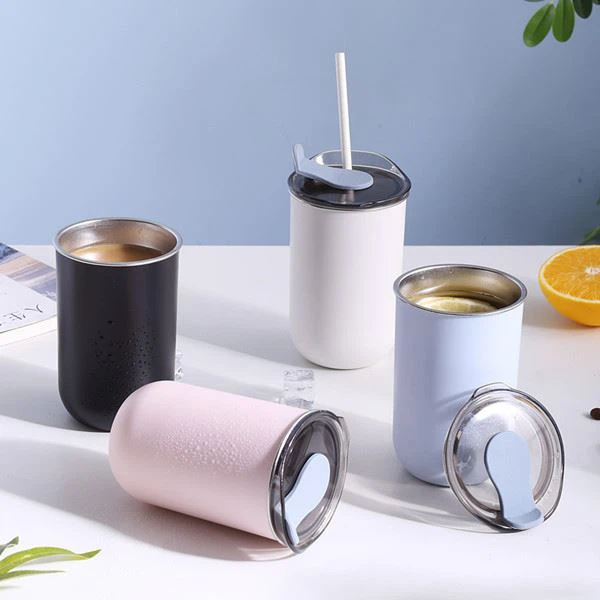
In terms of material, tea cups are commonly made of porcelain or bone china. These materials are non - porous, which means they won't absorb the flavor of the tea. They also have a smooth surface that allows the tea to flow easily and enhances the visual appeal of the tea. Coffee cups can be made of a wider range of materials, including porcelain, ceramic, glass, and even stainless steel. Stainless steel coffee cups, such as the Coffee Tumbler Stainless Steel Kettle Mugs, are popular for their durability and excellent heat - retention properties.
Cultural Significance
Tea and coffee have different cultural backgrounds, and this is reflected in the design and use of their respective cups. Tea has a long - standing tradition in many cultures, especially in Asia. In Chinese and Japanese tea ceremonies, the tea cup is an essential part of the ritual. The design of the tea cup is carefully chosen to match the type of tea being served and to enhance the overall aesthetic of the ceremony. The act of holding and sipping from the tea cup is also a form of self - discipline and appreciation of the moment.
Coffee, on the other hand, has a strong association with Western cultures. In Italy, for example, espresso is often served in small, demitasse cups. These cups are designed to hold a concentrated shot of espresso, which is meant to be consumed quickly. In the United States, coffee is a staple in daily life, and large - sized coffee cups are commonly used, especially for take - away coffee. The Stainless Steel Fordable 200 To 500ml Mug Milk Cup and Stainless Steel Foldable Beverage Mug Milk Cup are great options for those on the go, as they are portable and can be easily folded for storage.
Considerations for Cup Selection
As a cup supplier, I understand that choosing the right cup depends on personal preferences and usage scenarios. If you're a tea lover who enjoys savoring the aroma and flavor of different teas, a delicate porcelain tea cup with a wide rim would be a great choice. It allows you to fully appreciate the nuances of the tea.
If you're a coffee enthusiast who likes to have a large cup of hot coffee to start your day or to keep you energized throughout, a coffee cup with good heat - retention properties, such as a stainless steel or ceramic one, would be more suitable.
For those who are always on the move, foldable and portable cups like the ones mentioned above are ideal. They offer convenience without compromising on functionality.
Conclusion
In conclusion, the differences between tea cups and coffee cups are multi - faceted, encompassing design, functionality, and cultural significance. Understanding these differences can help you make a more informed choice when selecting a cup for your favorite beverage. Whether you're a tea connoisseur or a coffee addict, having the right cup can elevate your drinking experience.
If you're interested in purchasing high - quality tea cups, coffee cups, or other types of cups, I invite you to contact me for procurement discussions. I can offer a wide range of options to meet your specific needs and preferences.
References
- "The Art of Tea: An Introduction to Chinese Tea Culture" by Wang, Li
- "Coffee: A Global History" by Pendergrast, Mark