

What is a food - grade bowl?
What is a food - grade bowl?
As a bowl supplier, I often get asked about what exactly a food - grade bowl is. In this blog post, I'll delve into the concept of food - grade bowls, their characteristics, materials, and why they are essential in our daily lives.
Definition of a Food - Grade Bowl
A food - grade bowl is a container specifically designed and manufactured to safely hold food. It meets strict standards and regulations regarding the materials used and the manufacturing processes. These standards ensure that the bowl does not leach harmful substances into the food, which could pose a risk to human health.

Characteristics of Food - Grade Bowls
- Safety: The primary characteristic of a food - grade bowl is safety. It should be free from toxins, heavy metals, and other harmful chemicals. For example, it should not contain lead, cadmium, or bisphenol A (BPA), which are known to be hazardous to human health.
- Durability: Food - grade bowls need to be durable enough to withstand regular use. They should be resistant to scratches, cracks, and chips, which could harbor bacteria and make the bowl difficult to clean.
- Ease of Cleaning: A good food - grade bowl should be easy to clean. It should not absorb odors or stains, and it should be dishwasher - safe in most cases. This ensures that the bowl remains hygienic and can be used repeatedly without any issues.
- Temperature Resistance: Food - grade bowls should be able to withstand a wide range of temperatures. They should not warp or melt when exposed to hot or cold foods, and they should be suitable for use in the microwave, oven, or freezer.
Materials Used in Food - Grade Bowls
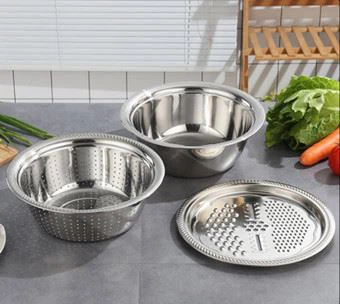
- Stainless Steel: Stainless steel is a popular choice for food - grade bowls. It is durable, corrosion - resistant, and easy to clean. Stainless steel bowls are also non - reactive, which means they do not interact with acidic or alkaline foods. You can check out our Stainless Steel Bowl Sets for a variety of options.
- Ceramic: Ceramic bowls are known for their aesthetic appeal. They come in a wide range of colors and designs, making them a popular choice for table settings. However, they need to be carefully made to ensure they are food - grade. High - quality ceramic bowls are fired at high temperatures to make them non - porous and resistant to staining. Our Table Big Rice Bowl For Seperation is a great example of a well - crafted ceramic food - grade bowl.
- Glass: Glass bowls are transparent, which allows you to see the contents easily. They are also non - reactive and easy to clean. Glass is heat - resistant, making it suitable for use in the oven or microwave. However, glass bowls can be fragile and may break if dropped.
- Plastic: Some plastics are food - grade, but it's important to choose the right type. Food - grade plastics are usually marked with a recycling symbol and a number indicating their type. They are lightweight and often less expensive than other materials. Our Stainless Steel 3pcs Bowl Colander Grater Set may also have some plastic components that are carefully selected to be food - grade.
Importance of Food - Grade Bowls in Different Settings
- Home Use: In a household, food - grade bowls are used for a variety of purposes, such as serving meals, storing leftovers, and preparing ingredients. Using food - grade bowls ensures the safety of your family's food and makes your daily cooking and dining experience more enjoyable.
- Restaurants and Food Service: In the food service industry, food - grade bowls are essential for maintaining food safety standards. They are used to serve customers, store ingredients, and prepare food in large quantities. Restaurants need to choose high - quality food - grade bowls to comply with health regulations and to provide a good dining experience for their customers.
- Food Manufacturing: In food manufacturing facilities, food - grade bowls are used in the production process. They are used to mix, store, and transport food products. These bowls need to be made of materials that can withstand the rigors of industrial use and maintain the quality and safety of the food.
How to Choose the Right Food - Grade Bowl
- Consider the Purpose: Think about how you will be using the bowl. If you need it for serving hot soups, a ceramic or stainless steel bowl may be a good choice. If you want to store food in the freezer, a plastic or glass bowl with good temperature resistance would be better.
- Check the Materials: Look for information about the materials used in the bowl. Make sure it is made of food - grade materials and that it meets the relevant safety standards.
- Evaluate the Quality: Examine the bowl for any signs of damage or poor craftsmanship. A high - quality food - grade bowl should be well - made and free from defects.
- Consider the Size and Shape: Choose a bowl that is the right size and shape for your needs. If you are serving a large family, you may need a bigger bowl. If you are using the bowl for individual servings, a smaller bowl would be more appropriate.
Conclusion
In conclusion, a food - grade bowl is an essential item in our daily lives, whether at home, in restaurants, or in food manufacturing. It provides a safe and convenient way to handle and store food. As a bowl supplier, we are committed to providing high - quality food - grade bowls that meet the diverse needs of our customers. If you are interested in purchasing food - grade bowls for your business or personal use, please feel free to contact us for a detailed discussion on your requirements and to start the procurement process.
References
- "Food Safety Standards for Containers", National Food Safety Agency
- "Materials for Food - Grade Products", Journal of Food Science and Technology
- "The Importance of Food - Grade Materials in the Food Industry", Food Industry Review