

What are the safety standards for dinnerware?
Safety is a paramount concern when it comes to dinnerware. As a dinnerware supplier, I understand the significance of adhering to strict safety standards to ensure the well - being of consumers. In this blog, I will delve into the various safety standards for dinnerware and why they matter.
Material Safety
One of the primary aspects of dinnerware safety is the material from which it is made. Different materials have different characteristics and potential risks.
Ceramic and Porcelain
Ceramic and porcelain dinnerware are popular choices due to their aesthetic appeal and durability. However, they can pose a risk if they contain high levels of lead or cadmium in their glazes. Lead and cadmium are toxic substances that can leach into food, especially when the dinnerware comes into contact with acidic foods.
In the United States, the Food and Drug Administration (FDA) has set limits on the amount of lead and cadmium that can be released from ceramic and porcelain dinnerware. The FDA's regulations are designed to protect consumers from the potential health hazards associated with these heavy metals. These standards are based on extensive research and are regularly updated to reflect the latest scientific findings.
For example, when we produce ceramic dinnerware, we ensure that the glazes used comply with the FDA's lead and cadmium release limits. We test our products regularly to guarantee that they meet these safety standards. This way, consumers can use our ceramic plates, bowls, and mugs with peace of mind, knowing that there is minimal risk of heavy metal contamination.
Glass
Glass dinnerware is often considered a safe option as it is non - porous and does not react with food. However, certain types of glass, such as tempered glass, need to meet specific safety standards to prevent breakage. Tempered glass is stronger than regular glass, but if it shatters, it should break into small, relatively harmless pieces instead of large, sharp shards.
The American National Standards Institute (ANSI) has established standards for tempered glass used in dinnerware. As a supplier, we ensure that our glass tumblers, plates, and bakeware comply with these standards. This means that in the unlikely event of breakage, the risk of injury to consumers is minimized.
Plastic
Plastic dinnerware is lightweight and affordable, but it has its own set of safety concerns. Some plastics may contain harmful chemicals such as bisphenol A (BPA), phthalates, and polyvinyl chloride (PVC). These chemicals can leach into food, especially when the plastic is heated or comes into contact with fatty or acidic foods.
To address these concerns, many countries have implemented regulations on the use of these chemicals in plastic dinnerware. For instance, the European Union has banned the use of BPA in baby bottles and has restricted its use in other types of plastic food contact materials. As a responsible dinnerware supplier, we only source plastic products that are BPA - free and comply with relevant safety regulations. Our plastic products, such as Kids Picnic Thermal Food Container 630 ml, are made from safe and high - quality plastics that are suitable for food storage.
Manufacturing Process Safety
The manufacturing process of dinnerware also plays a crucial role in ensuring its safety.

Hygiene in Production
During the manufacturing process, it is essential to maintain high levels of hygiene to prevent contamination of the dinnerware. Factories need to have proper sanitation procedures in place, including regular cleaning and disinfection of equipment and work areas. Workers should also follow strict hygiene practices, such as wearing gloves and hairnets, to prevent the introduction of bacteria or other contaminants.
We have a comprehensive quality control system in our manufacturing facilities. Our production lines are regularly inspected to ensure that they meet the highest hygiene standards. This includes monitoring the temperature and humidity levels in the production areas to create an environment that is unfavorable for the growth of microorganisms.
Quality Control Checks
Quality control checks are an integral part of the manufacturing process. These checks are carried out at various stages, from the raw material inspection to the final product testing. For example, when we receive raw materials such as ceramic clay or glass, we conduct tests to ensure that they meet the required quality and safety standards.
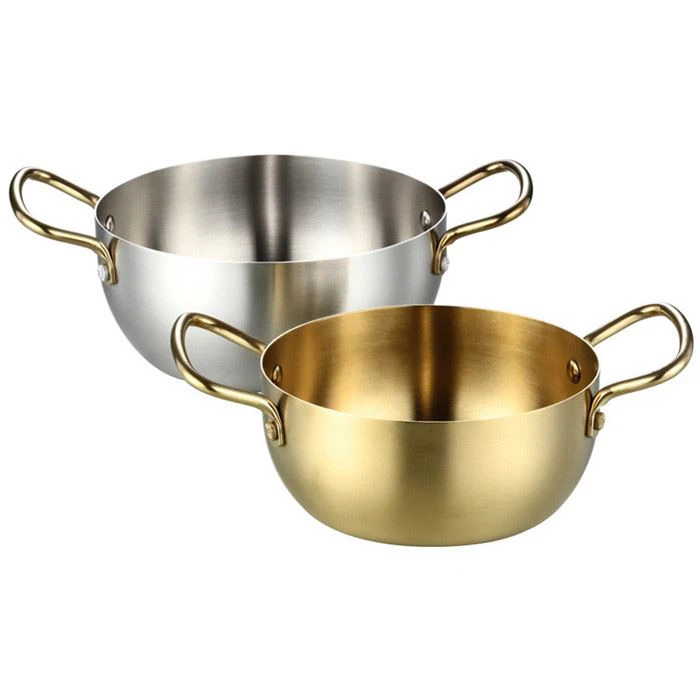
Once the dinnerware is manufactured, we perform a series of tests on the finished products. These tests may include tests for strength, durability, and chemical release. For example, we test metal dinnerware for corrosion resistance to ensure that it will not rust when in contact with food. Our Kitchen Cookware Pots And Pans undergo rigorous quality control checks to ensure that they are safe and durable for use in the kitchen.
Safety during Use
In addition to material and manufacturing safety, users also need to be aware of how to use dinnerware safely.
Heat Resistance
Some dinnerware items, such as 3 Tier Stackable 28cm Steamer Pots, are designed to be used in high - temperature environments. It is important that these products have adequate heat resistance to prevent cracking, melting, or shattering.
We provide clear instructions to our customers on the heat resistance of our products. For example, glass bakeware may have a maximum temperature limit, and customers should be aware of this to avoid damaging the product and causing potential safety hazards.
Compatibility with Food
Dinnerware should be compatible with different types of food. For example, acidic foods can react with certain metals, so it is not advisable to store acidic foods in metal containers for an extended period. We provide guidelines to our customers on the compatibility of different types of dinnerware with various foods to ensure safe use.
Conclusion
Safety standards for dinnerware are multi - faceted and cover everything from the materials used in production to the way the dinnerware is used. As a dinnerware supplier, we are committed to upholding the highest safety standards to protect the health and well - being of our customers.
If you are in the market for high - quality, safe dinnerware, we invite you to contact us for procurement discussions. We have a wide range of products that meet stringent safety requirements and are suitable for various needs, whether it's for home use, restaurants, or catering services.
References
- Food and Drug Administration (FDA). Regulations on lead and cadmium in ceramic dinnerware.
- American National Standards Institute (ANSI). Standards for tempered glass.
- European Union regulations on BPA and other chemicals in plastic food contact materials.