

What are the disadvantages of a plastic lunch box?
As a lunch box supplier, I've seen the wide popularity of plastic lunch boxes in the market. They are often chosen for their affordability, lightweight nature, and variety of colors and designs. However, it's essential to shed light on the numerous disadvantages associated with plastic lunch boxes. This knowledge can help consumers make more informed decisions about the products they use daily, and as a supplier, I believe in providing comprehensive information to my customers.
Health Risks
One of the most significant concerns with plastic lunch boxes is the potential health risks they pose. Many plastics contain harmful chemicals such as bisphenol A (BPA) and phthalates. BPA is an industrial chemical that has been used to make certain plastics and resins since the 1960s. It can leach into food and drinks from plastic containers, especially when the plastic is exposed to heat or acidic foods.
Numerous studies have linked BPA to various health problems. According to research published in the journal "Endocrinology," BPA can mimic the body's hormones and disrupt the endocrine system. This disruption can lead to a range of issues, including reproductive problems, developmental disorders in children, and an increased risk of certain cancers. Phthalates, on the other hand, are used to make plastics more flexible. They have been associated with adverse effects on the male reproductive system, as well as asthma and allergies in children.
Even if a plastic lunch box is labeled as "BPA-free," it may still contain other harmful chemicals. Some manufacturers use bisphenol S (BPS) as a replacement for BPA. However, recent studies have shown that BPS may have similar health effects to BPA. This means that consumers cannot always rely on the "BPA-free" label to ensure the safety of their plastic lunch boxes.
Environmental Impact
Plastic lunch boxes also have a significant negative impact on the environment. Plastic is a non-biodegradable material, which means it does not break down naturally over time. When plastic lunch boxes are discarded, they end up in landfills, where they can remain for hundreds of years. As the plastic breaks down into smaller pieces, known as microplastics, it can contaminate soil, water, and air.

Microplastics have been found in oceans, rivers, and even in the air we breathe. They can be ingested by marine life, which can then enter the food chain and potentially harm human health. Additionally, the production of plastic lunch boxes requires large amounts of fossil fuels, contributing to greenhouse gas emissions and climate change.
Recycling plastic lunch boxes is often not as straightforward as it seems. Many recycling facilities are not equipped to handle all types of plastics, and even when they are, the recycling process can be energy-intensive. As a result, a significant portion of plastic lunch boxes end up being incinerated, which releases toxic chemicals into the atmosphere.
Durability and Aesthetic Issues
While plastic lunch boxes are often inexpensive, they are generally less durable than other materials. They can easily crack, break, or become scratched over time, especially if they are dropped or mishandled. Once a plastic lunch box is damaged, it may no longer be suitable for use, leading to frequent replacements.
In addition to durability issues, plastic lunch boxes can also develop a cloudy appearance and unpleasant odors over time. This is particularly true if they are used to store oily or strongly scented foods. The porous nature of plastic allows food particles and odors to become trapped, making it difficult to clean the lunch box thoroughly.
Alternatives to Plastic Lunch Boxes
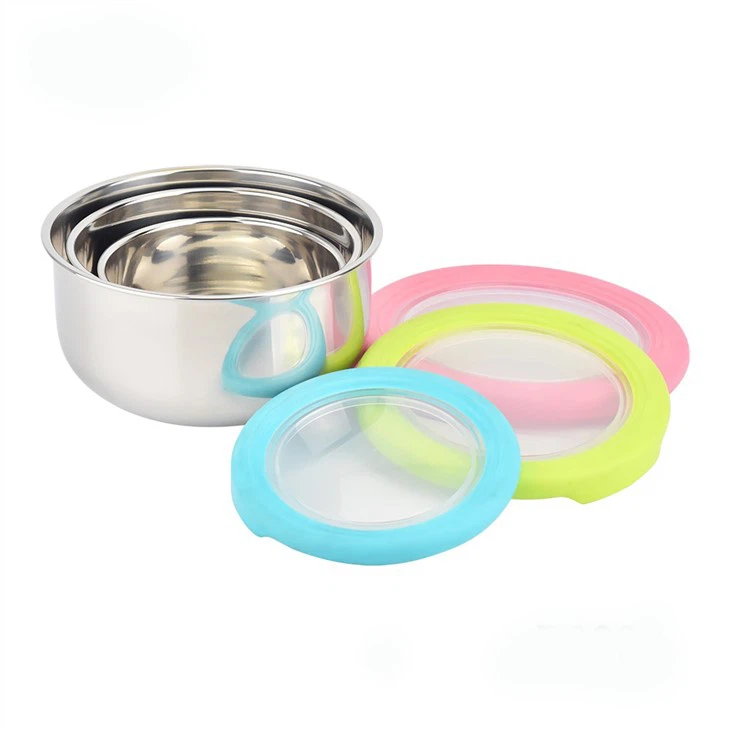
As a lunch box supplier, I offer a range of alternatives to plastic lunch boxes that address these disadvantages. One popular option is stainless steel lunch boxes. Stainless steel is a durable, non-toxic, and eco-friendly material. It does not contain any harmful chemicals, so there is no risk of leaching into food. Stainless steel lunch boxes are also easy to clean and maintain, and they do not develop odors or stains.
For example, our Stainless Steel Round Lunch Box Set For Teens is a great choice for teenagers. It is designed with a modern and stylish look, and it comes with multiple compartments to keep food organized. Another option is our Double Layer Compartment Bento Lunch Box, which is perfect for packing a variety of foods. It has a double-layer design with separate compartments, allowing you to keep different types of food separate.
If you prefer a container for instant noodles or hot beverages, our Double Wall Instant Noodle Bowl With Hand is an excellent choice. It has a double-wall design that keeps food and drinks hot for longer, and it comes with a convenient handle for easy carrying.
Conclusion
In conclusion, while plastic lunch boxes may seem like a convenient and affordable option, they come with several significant disadvantages. From health risks to environmental impact, durability issues, and aesthetic concerns, there are many reasons to consider alternative materials. As a lunch box supplier, I am committed to providing my customers with high-quality, safe, and eco-friendly products. If you are interested in learning more about our non-plastic lunch boxes or would like to discuss your specific needs, please feel free to reach out to us. We would be happy to assist you in finding the perfect lunch box for your lifestyle.
References
- "Endocrinology" journal articles on BPA and its health effects.
- Research studies on the environmental impact of plastic waste.
- Various industry reports on the durability and safety of different lunch box materials.