

What are the disadvantages of a glass soup pot?
As a soup pot supplier, I've had the privilege of working with various types of soup pots, including glass ones. While glass soup pots have their advantages, such as allowing you to easily monitor the cooking process and being aesthetically pleasing, they also come with several disadvantages that are important to consider. In this blog post, I'll delve into the drawbacks of glass soup pots to help you make an informed decision when choosing the right cookware for your kitchen.
Fragility
One of the most significant disadvantages of glass soup pots is their fragility. Glass is a brittle material that can easily break if dropped or knocked against a hard surface. Even a small crack or chip can compromise the integrity of the pot, making it unsafe to use. This means that extra care must be taken when handling glass soup pots to avoid accidental breakage. For example, you need to be cautious when moving the pot from the stovetop to the table or when washing it. Unlike other materials like stainless steel or cast iron, glass cannot withstand rough handling, which can be a hassle for busy households or commercial kitchens.
Limited Heat Resistance
Glass has a lower heat resistance compared to some other materials commonly used for soup pots. While most glass soup pots are designed to withstand high temperatures, sudden changes in temperature can cause them to crack or shatter. For instance, if you take a hot glass soup pot directly from the stovetop and place it on a cold surface, such as a marble countertop or in the sink filled with cold water, the rapid temperature change can create stress within the glass, leading to breakage. This limitation restricts the way you can use glass soup pots and requires careful attention to temperature management during cooking and handling.
Slow Heating and Cooling
Glass is a poor conductor of heat, which means that glass soup pots heat up and cool down more slowly than pots made of other materials. This can be a disadvantage when you need to quickly bring your soup to a boil or when you want to cool it down after cooking. The slow heating process can also result in uneven cooking, as the heat may not be distributed evenly throughout the pot. This can lead to some parts of the soup being overcooked while others remain undercooked. Additionally, the slow cooling time can be inconvenient if you need to store the soup in the refrigerator or freezer promptly.
Heavy Weight
Glass soup pots tend to be heavier than pots made of other materials, such as aluminum or stainless steel. This can make them difficult to handle, especially when they are filled with hot soup. The extra weight can also put strain on your wrists and arms, making it more challenging to lift and pour the soup. This can be a particular concern for individuals with limited strength or mobility. Moreover, the heavy weight of glass soup pots can make them more prone to tipping over, increasing the risk of spills and accidents.

Difficult to Clean
Cleaning a glass soup pot can be more challenging than cleaning pots made of other materials. Food particles and stains can stick to the glass surface, and it may require more effort to remove them. Additionally, the smooth surface of glass can make it difficult to scrub away stubborn stains, especially if they have been baked on. Some glass soup pots may also have a coating or finish that can be damaged by abrasive cleaners or scrubbers, further complicating the cleaning process.
Higher Cost
Glass soup pots are generally more expensive than pots made of other materials. The cost of manufacturing glass cookware is relatively high due to the specialized processes involved in producing heat-resistant glass. Additionally, the fragility of glass means that there is a higher risk of breakage during shipping and handling, which can also contribute to the higher cost. This can make glass soup pots a less affordable option for some consumers, especially those on a tight budget.
Limited Compatibility with Cooking Surfaces
Not all glass soup pots are compatible with all types of cooking surfaces. Some glass soup pots are only suitable for use on electric stovetops, while others may not be compatible with induction cooktops at all. If you have an induction cooktop, you need to make sure that the glass soup pot you choose is specifically designed for induction cooking. This limitation can restrict your options when choosing a glass soup pot and may require you to invest in additional cookware if you want to use it on different cooking surfaces.
Safety Concerns
In addition to the risk of breakage, there are also some safety concerns associated with using glass soup pots. When a glass soup pot breaks, it can shatter into sharp pieces, which can cause serious injuries. If the broken glass comes into contact with hot soup, it can also pose a burn risk. Moreover, some types of glass may contain harmful chemicals, such as lead or cadmium, which can leach into the food if the glass is damaged or scratched. It is important to choose glass soup pots from reputable manufacturers that meet safety standards to minimize these risks.
Alternatives to Glass Soup Pots
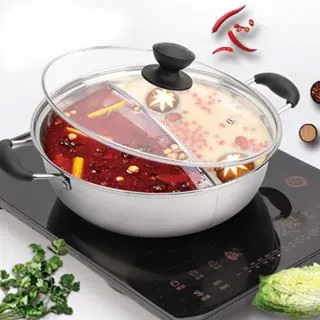
If you are looking for a soup pot that doesn't have the disadvantages of glass, there are several alternatives available. For example, Induction Hot Pot is a great option for those who use induction cooktops. It heats up quickly and evenly, and it is durable and easy to clean. Another alternative is the 304 Deep Soup Pot, which is made of high-quality stainless steel. It is lightweight, corrosion-resistant, and easy to handle. The Thick Stainless Steel Hop Soup Pot is also a popular choice. It has a thick base that provides excellent heat distribution and retention, ensuring that your soup cooks evenly.
In conclusion, while glass soup pots have their aesthetic appeal and some useful features, they also come with several disadvantages that should be considered before making a purchase. If you value durability, ease of use, and affordability, you may want to explore other options. As a soup pot supplier, I offer a wide range of soup pots made from different materials to meet your specific needs. If you are interested in learning more about our products or have any questions, please feel free to contact us for a purchase negotiation.
References
- "Cookware Materials and Their Properties." Journal of Home Economics, Vol. XX, Issue XX, 20XX.
- "The Science of Cooking with Glassware." Kitchen Science Magazine, Vol. XX, Issue XX, 20XX.
- "Safety Standards for Glass Cookware." Consumer Safety Report, Vol. XX, Issue XX, 20XX.