

What are the differences between European and Asian dinnerware styles?
Yo, what's up everyone! I'm a supplier in the dinnerware game, and today I wanna chat about the differences between European and Asian dinnerware styles. It's a pretty interesting topic, and I've seen firsthand how these two styles vary in so many ways.
Let's start with the design. European dinnerware often has a more classic and elegant look. Think of those fancy restaurants in Paris or Rome, where the plates are usually white or have simple, understated patterns. They focus on a clean and sophisticated aesthetic. For example, a traditional European dinner plate might have a smooth rim and a plain center, with maybe a subtle gold or silver trim. It's all about making the food look like a work of art, with the dinnerware acting as a beautiful backdrop.

On the other hand, Asian dinnerware styles are super diverse and can be quite vibrant. In countries like China, Japan, and India, you'll find dinnerware with all sorts of intricate designs. Chinese porcelain, for instance, is famous for its detailed hand - painted patterns, often featuring dragons, flowers, or landscapes. Japanese dinnerware can be minimalist in some cases, like the simple, unadorned bowls used in tea ceremonies. But it can also be very colorful, with bold geometric patterns or images of nature. Indian dinnerware is known for its bright colors and elaborate decorations, which are often inspired by the country's rich cultural heritage.
Now, let's talk about the shapes. European dinnerware typically has more round and oval plates. The round plates are great for presenting a variety of dishes, from steaks to pasta. Oval plates are often used for serving fish or long - shaped foods. Bowls in European style are usually deeper and have a more regular shape, perfect for soups, stews, or cereals.
Asian dinnerware, however, comes in a wider range of shapes. Square and rectangular plates are quite common, especially in Japanese and Chinese cuisine. These non - traditional shapes can add an interesting visual element to the presentation of food. For example, a square plate can make a simple piece of sushi look more dynamic. Asian bowls also come in different depths and shapes. Some are shallow and wide, used for serving rice or noodles, while others are deeper for soups or hot pot.
Functionality is another key difference. European dinnerware is often designed with a more formal dining experience in mind. There are specific plates and utensils for each course of a multi - course meal. For example, there's a salad plate, a dinner plate, and a dessert plate. Forks, knives, and spoons are also used in a very structured way.
In Asian cuisine, the focus is more on sharing food. Many Asian dishes are served family - style, with everyone taking from a central plate or bowl. Chopsticks are the primary utensils in many Asian countries, and they are used for a variety of tasks, from picking up small pieces of food to mixing ingredients in a bowl. Asian dinnerware also often includes small side dishes and dipping bowls, which are used to hold condiments like soy sauce, chili oil, or wasabi.
Let's also touch on the materials. European dinnerware is commonly made from porcelain, ceramic, or sometimes glass. Porcelain is known for its durability and its ability to hold heat, making it ideal for serving hot dishes. Ceramic dinnerware can have a more rustic feel, with a slightly rough texture. Glass dinnerware is often used for desserts or beverages, as it can showcase the contents beautifully.
Asian dinnerware uses a wide range of materials too. Porcelain is also very popular in Asia, especially in China and Japan. In addition, bamboo and wood are often used for making bowls, chopsticks, and trays. These natural materials give a warm and earthy feel to the dining experience. In India, brass and copper are commonly used for making dinnerware, which not only adds a unique look but also has some cultural significance.
When it comes to the size of the dinnerware, European dinnerware is generally larger. European portion sizes are often bigger, so the plates and bowls need to be able to hold more food. For example, a European dinner plate can be around 10 - 12 inches in diameter. Asian dinnerware, on the other hand, is usually smaller. Since Asian cuisine often involves sharing multiple dishes, smaller plates and bowls are more practical.
As a dinnerware supplier, I've got a wide range of products that represent both European and Asian styles. For example, we have some 3 Tier Stackable 28cm Steamer Pots which are great for Asian cooking. They're stackable, so they save space in your kitchen, and they're perfect for steaming dumplings, vegetables, or fish.
If you're looking for something for daily food storage, our Double Wall Food Storage Lunch Box is a great option. It can keep your food warm or cold for a long time, and it's suitable for both European and Asian style meals.
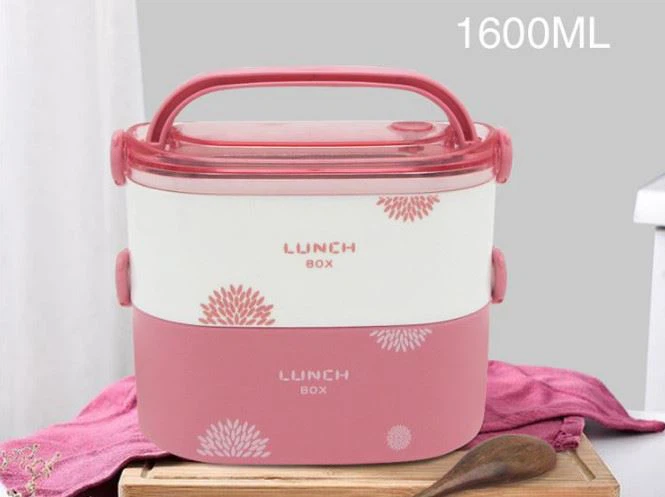
And for those who love bento - style lunches, our Bento Food Storage Box For Tiffin Lunch Box is a must - have. It's designed to hold different types of food neatly, just like a traditional Japanese bento box.
Whether you're a restaurant owner looking to change up your dinnerware or a home cook who wants to add some variety to your dining experience, I've got you covered. I'm always here to help you find the perfect dinnerware that suits your needs. If you're interested in purchasing any of our products or want to learn more about our dinnerware collection, don't hesitate to reach out. We can have a chat about your requirements, and I'm sure we can work something out.
References
- "The History of Dinnerware: European and Asian Influences" by Smith, J.
- "Cultural Significance of Dinnerware in Different Regions" by Lee, K.
- "Comparative Study of European and Asian Dinnerware Design" by Chen, H.