

Is the 304 Deep Soup Pot suitable for home kitchens?
In the realm of home kitchens, selecting the right cookware is crucial for a seamless cooking experience. One such piece of cookware that has gained significant attention is the 304 deep soup pot. As a supplier of 304 deep soup pots, I am often asked whether these pots are suitable for home kitchens. In this blog post, I will delve into the characteristics of 304 deep soup pots and explain why they are an excellent choice for home use.
Understanding 304 Stainless Steel
Before we discuss the suitability of 304 deep soup pots for home kitchens, it's essential to understand what 304 stainless steel is. 304 stainless steel is a common grade of stainless steel used in cookware. It contains approximately 18% chromium and 8% nickel, which gives it several desirable properties.
One of the primary advantages of 304 stainless steel is its corrosion resistance. This means that the pot is less likely to rust or corrode, even when exposed to acidic or alkaline foods. Additionally, 304 stainless steel is non - reactive, which means it won't leach harmful chemicals into your food. This is especially important when cooking acidic foods like tomatoes or citrus - based dishes.
Another benefit of 304 stainless steel is its durability. It can withstand high temperatures and is resistant to scratches and dents. This makes it a long - lasting investment for your home kitchen.
Advantages of 304 Deep Soup Pots in Home Kitchens
1. Versatility
304 deep soup pots are incredibly versatile. They can be used for a variety of cooking tasks, not just making soup. You can use them to boil pasta, cook stews, make porridges, or even prepare large batches of sauces. The deep design allows you to cook large quantities of food at once, which is perfect for families or when you're hosting guests.
For example, if you're making a big batch of chicken noodle soup for a family dinner or a potluck, a 304 deep soup pot provides ample space to cook all the ingredients together. You can also use it to make a hearty beef stew with plenty of vegetables and broth.
2. Heat Distribution
304 stainless steel has good heat - conducting properties. While it may not be as conductive as some other materials like copper or aluminum, many 304 deep soup pots are designed with multi - layer bottoms that include aluminum or copper cores. These cores help to distribute heat evenly across the bottom of the pot, preventing hot spots.
This even heat distribution is essential for cooking food evenly. When making a soup or a stew, you want all the ingredients to cook at the same rate. With a 304 deep soup pot with good heat distribution, you can avoid having some parts of the food overcooked while others are undercooked.
3. Easy to Clean
Cleaning a 304 deep soup pot is relatively easy. Since 304 stainless steel is non - porous, it doesn't absorb food particles or odors easily. You can simply wash it with warm soapy water and a sponge or a soft brush. For stubborn stains, you can use a mild abrasive cleaner, and the pot will look as good as new.
Moreover, many 304 deep soup pots are dishwasher - safe, which saves you even more time and effort in the kitchen. This is a significant advantage for busy individuals or families who don't have a lot of time to spend on manual dishwashing.

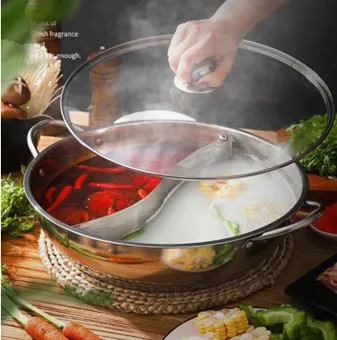
4. Aesthetic Appeal
304 deep soup pots have a sleek and modern appearance that can enhance the look of your kitchen. The shiny stainless - steel finish gives them a professional and sophisticated look. Whether your kitchen has a contemporary or traditional design, a 304 deep soup pot can fit in seamlessly.
Potential Drawbacks and How to Mitigate Them
1. Cost
One of the potential drawbacks of 304 deep soup pots is that they can be more expensive than some other types of cookware. However, when you consider their durability and versatility, they are a worthwhile investment. To get the best value for your money, look for sales or discounts. You can also compare prices from different suppliers to find the most affordable option without compromising on quality.
2. Initial Seasoning
Some 304 deep soup pots may require initial seasoning to prevent food from sticking. Seasoning involves coating the pot with a thin layer of oil and heating it to create a non - stick surface. While this may seem like an extra step, it's a simple process that can significantly improve the cooking performance of your pot.
Our Product Range
As a supplier, we offer a wide range of 304 deep soup pots to meet different needs and preferences. Our Soup Pot Set includes pots of various sizes, allowing you to choose the one that suits your cooking requirements. Whether you need a small pot for individual servings or a large pot for family - sized meals, we have you covered.
We also have the Thick Stainless Steel Non - stick Spicy Hot Pot. This pot is perfect for those who love spicy hot pot dishes. Its non - stick surface makes it easy to cook and clean, and the thick stainless - steel construction ensures durability and even heat distribution.
For seafood lovers, our Golden Seafood Hot Pot is a great choice. It's designed to bring out the flavors of seafood and other ingredients, making every meal a delicious experience.
Conclusion
In conclusion, 304 deep soup pots are highly suitable for home kitchens. Their versatility, good heat distribution, easy - to - clean nature, and aesthetic appeal make them an excellent addition to any kitchen. While they may have some minor drawbacks, these can be easily mitigated.
If you're in the market for a new soup pot or cookware set for your home kitchen, I encourage you to consider our range of 304 deep soup pots. We are committed to providing high - quality products that will enhance your cooking experience. If you have any questions or are interested in purchasing our products, please feel free to reach out to us for procurement discussions.
References
- "Stainless Steel Cookware: A Buyer's Guide." Cookware Review Magazine, 2022.
- "The Science of Heat Distribution in Cookware." Journal of Kitchen Science, 2021.