

Is it better to have a wide or a tall soup pot?
When it comes to selecting a soup pot, one of the most debated questions among chefs, home cooks, and even soup enthusiasts is whether it's better to have a wide or a tall soup pot. As a seasoned soup pot supplier, I've seen firsthand the advantages and disadvantages of each type, and I'm excited to share my insights with you.
The Case for Wide Soup Pots
Wide soup pots, with their large diameter and relatively shallow depth, offer several unique benefits that make them a popular choice for many cooks.
1. Faster Evaporation
One of the primary advantages of a wide soup pot is its ability to facilitate faster evaporation. When the surface area of the soup is larger, more water can escape into the air, which is particularly useful when you're making stocks, broths, or soups that need to be reduced. For example, if you're simmering a chicken stock and want to concentrate its flavors, a wide pot will allow the liquid to reduce more quickly than a tall pot. This can save you time in the kitchen and result in a richer, more flavorful soup.
2. Even Heat Distribution
Wide pots also tend to have better heat distribution. Since the heat spreads out over a larger area, the soup is less likely to burn or stick to the bottom of the pot. This is especially important when you're cooking soups with ingredients that are prone to scorching, such as onions or garlic. With a wide pot, you can stir the soup less frequently and still achieve an evenly cooked result.
3. Easy Stirring and Access
The wide shape of these pots makes it easier to stir the soup and access all the ingredients. You can use a large spoon or spatula to reach every corner of the pot, ensuring that the soup is well-mixed and that no ingredients are left behind. This is particularly beneficial when you're making soups with chunky vegetables or meats.
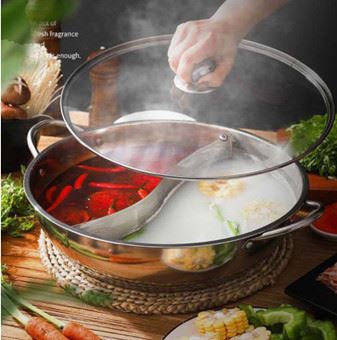
If you're interested in a wide soup pot, I recommend checking out our Thick Stainless Steel Hop Soup Pot. It's made of high-quality stainless steel, which provides excellent heat conductivity and durability.
The Case for Tall Soup Pots
On the other hand, tall soup pots, with their narrow diameter and greater depth, have their own set of advantages that make them a valuable addition to any kitchen.
1. Less Evaporation
Tall pots are ideal for soups that you want to keep at a consistent volume. Since the surface area of the soup is smaller, there is less evaporation, which means you can simmer the soup for longer periods without having to add extra water. This is great for soups that are meant to be served in large quantities, such as soups for a big family dinner or a party.
2. Ideal for Boiling and Steaming
The tall shape of these pots makes them perfect for boiling and steaming. You can easily fit a large amount of water in a tall pot and bring it to a boil quickly. This is useful when you're making soups that require boiling ingredients, such as pasta or potatoes. Additionally, tall pots can be used for steaming vegetables or dumplings, adding versatility to your cooking options.
3. Space Efficiency
Tall soup pots take up less counter space compared to wide pots. If you have a small kitchen or limited storage space, a tall pot can be a practical choice. You can stack it more easily with other pots and pans, making it a space-saving option.
Our Thick Stainless Steel Non-stick Spicy Hot Pot is a great example of a tall soup pot. Its non-stick surface makes it easy to clean and cook with, and the tall design is perfect for making spicy hot soups.
Considerations for Choosing the Right Soup Pot
When deciding between a wide and a tall soup pot, there are several factors you should consider.
1. Cooking Style
Your cooking style plays a significant role in determining the right soup pot for you. If you often make stocks and broths that need to be reduced, a wide pot is a better choice. On the other hand, if you prefer to make large batches of soups that require boiling or steaming, a tall pot might be more suitable.

2. Soup Ingredients
The ingredients you use in your soups can also influence your decision. If you're making soups with large, chunky vegetables or meats, a wide pot will give you more room to stir and cook the ingredients evenly. However, if you're making soups with small, delicate ingredients, such as noodles or rice, a tall pot can prevent them from spilling over the sides.
3. Personal Preference
Ultimately, personal preference is an important factor. Some people simply prefer the look and feel of a wide pot, while others find tall pots more convenient. Consider your own comfort and cooking habits when making your decision.
Our Golden Seafood Hot Pot
For those who love seafood soups, our Golden Seafood Hot Pot is a must-have. Its unique design combines the best of both worlds. It has a relatively wide base for good heat distribution and a tall enough body to hold a generous amount of soup. This pot is perfect for making rich, flavorful seafood soups that are sure to impress your family and friends.
Conclusion
In conclusion, both wide and tall soup pots have their own advantages, and the right choice depends on your specific needs and cooking style. As a soup pot supplier, I understand the importance of having the right tools in the kitchen, and I'm confident that our range of soup pots can meet your requirements. Whether you're a professional chef or a home cook, we have the perfect soup pot for you.
If you're interested in learning more about our soup pots or would like to discuss a potential purchase, please don't hesitate to reach out. We're here to help you find the best soup pot for your kitchen.
References
- "The Science of Cooking" by Harold McGee
- "Cook's Illustrated" magazine