

How to transport a large food shopping cart?
Transporting a large food shopping cart can be a challenging task, especially when you're dealing with the logistics of moving multiple units from the supplier to the retail location. As a food shopping cart supplier, I've encountered various scenarios and have developed effective strategies to ensure a smooth transportation process. In this blog, I'll share some insights and tips on how to transport large food shopping carts efficiently and safely.
Understanding the Types of Shopping Carts
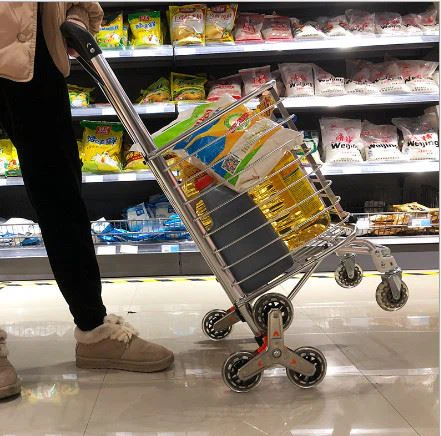
Before delving into the transportation methods, it's essential to understand the different types of food shopping carts available. At our company, we offer a range of carts to meet the diverse needs of our customers. For instance, the 3 Wheel Steel Shopping Cart is a popular choice due to its stability and maneuverability. It's suitable for smaller stores or areas with limited space. On the other hand, the 8 Wheels Shopping Cart provides enhanced durability and can carry heavier loads, making it ideal for large supermarkets. Additionally, the Shopping Cart with Dual Swivel Wheels for Groceries offers greater flexibility and ease of movement, allowing customers to navigate through aisles effortlessly.
Pre - transportation Preparation
Cart Inspection
Before transportation, a thorough inspection of each shopping cart is crucial. Check for any loose parts, damaged wheels, or structural issues. Tighten any loose bolts or screws and replace any worn - out components. This not only ensures the safety of the carts during transit but also reduces the risk of damage to other carts or the transportation vehicle.
Disassembly (if necessary)
Some large food shopping carts can be disassembled to save space during transportation. For example, removable baskets or handles can be detached. However, it's important to label all the parts clearly to facilitate easy reassembly at the destination. Keep all the small parts in a secure container to prevent loss.
Packaging
Proper packaging is essential to protect the shopping carts from scratches, dents, and other damages. Use protective materials such as bubble wrap or foam padding to cover the carts. If transporting multiple carts, stack them carefully and use dividers to prevent them from rubbing against each other.
Choosing the Right Transportation Method
Trucking
Trucking is one of the most common methods for transporting large food shopping carts. When choosing a truck, consider the size and capacity of the load. For a small - to - medium - sized order, a box truck may be sufficient. However, for larger orders, a semi - trailer may be required. Ensure that the truck has a secure loading and unloading system, such as a lift gate, to facilitate the movement of the carts.
Shipping Containers
If transporting shopping carts over long distances or overseas, shipping containers can be a viable option. They provide a secure and weather - resistant environment for the carts. When using shipping containers, make sure to properly secure the carts inside to prevent them from shifting during transit.
Local Delivery Services
For local deliveries, using a local delivery service can be cost - effective and convenient. These services are often more familiar with the local roads and traffic conditions, which can reduce the delivery time. They may also offer additional services such as assembly at the destination.
Loading and Unloading
Loading
When loading the shopping carts onto the transportation vehicle, start from the bottom and stack them in an organized manner. Place the heavier carts at the bottom to ensure stability. Use straps or ropes to secure the carts to prevent them from moving during transit. If using a lift gate, follow the manufacturer's instructions carefully to avoid accidents.
Unloading
At the destination, unloading should be done with the same level of care as loading. Use the appropriate equipment, such as pallet jacks or forklifts, to move the carts safely. Ensure that the unloading area is clear of any obstacles and that there is enough space to maneuver the carts.
Safety Considerations
Driver Training
If you're using your own drivers for transportation, provide them with proper training on how to handle large food shopping carts. This includes loading and unloading procedures, securing the load, and driving with a heavy and potentially unstable cargo.
Road Safety
During transportation, the driver should follow all road safety regulations. This includes maintaining a safe speed, keeping a safe distance from other vehicles, and being aware of the size and weight of the load.
Cost - effective Transportation
Consolidation
If possible, consolidate multiple orders to reduce transportation costs. This can be achieved by coordinating with other customers in the same area or by waiting for additional orders to accumulate before shipping.
Negotiating with Carriers
Negotiate with transportation carriers to get the best rates. Provide them with detailed information about the load, including the size, weight, and destination. You may be able to get a better deal by committing to a long - term contract or by booking in advance.

After - transportation Follow - up
Assembly and Installation
Once the shopping carts are delivered, ensure that they are assembled and installed correctly. Provide the necessary instructions and support to the retail staff or the installation team.
Customer Feedback
Collect feedback from the customers regarding the transportation process. This can help you identify any areas for improvement and enhance your service in the future.
In conclusion, transporting large food shopping carts requires careful planning, proper preparation, and attention to detail. By following the tips and strategies outlined in this blog, you can ensure a smooth and efficient transportation process. If you're interested in purchasing high - quality food shopping carts or need more information about our transportation services, please feel free to contact us for a procurement negotiation. We're committed to providing the best products and services to meet your needs.
References
- "Logistics Management: A Supply Chain Perspective" by Donald J. Bowersox, David J. Closs, and M. Bixby Cooper.
- Industry standards and guidelines for shopping cart manufacturing and transportation.