

How to season a new soup pot?
Seasoning a new soup pot is a crucial step that can significantly enhance the pot's performance and longevity. As a soup pot supplier, I've witnessed the transformative impact of proper seasoning on cookware. In this blog, I'll share some valuable insights and step-by-step guidance on how to season a new soup pot effectively.

Why Seasoning Matters
Before delving into the seasoning process, it's essential to understand why seasoning is necessary. When you season a soup pot, you're creating a natural non-stick surface that prevents food from sticking. This not only makes cooking and cleaning a breeze but also helps to prevent corrosion and rust, especially in metal pots. Moreover, a well-seasoned pot can enhance the flavor of your soups by developing a patina that imparts a unique depth of taste over time.
Types of Soup Pots and Their Seasoning Requirements
There are various types of soup pots available on the market, each with its own seasoning needs. Here are some common materials and their specific considerations:
Stainless Steel Soup Pot
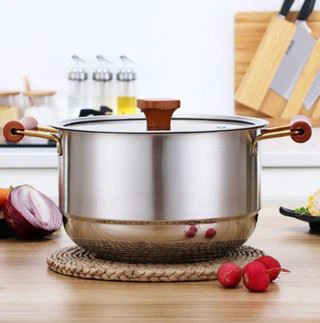
Stainless steel is a popular choice for soup pots due to its durability and resistance to corrosion. While stainless steel doesn't require traditional seasoning like cast iron, it can benefit from a little extra care to ensure optimal performance. To season a Stainless Steel Soup Pot, follow these steps:
- Clean the Pot Thoroughly: Start by washing the pot with warm, soapy water to remove any manufacturing residue or debris. Rinse it well and dry it completely with a soft cloth.
- Apply a Thin Layer of Oil: Pour a small amount of neutral oil, such as vegetable or canola oil, into the pot. Use a paper towel to spread the oil evenly over the entire interior surface of the pot, including the sides and bottom. Make sure to cover every nook and cranny.
- Heat the Pot: Place the oiled pot on the stovetop over medium heat. Let it heat for about 10-15 minutes until the oil starts to smoke slightly. This indicates that the oil is bonding to the surface of the pot and creating a non-stick layer.
- Cool and Wipe: Once the pot has heated, turn off the heat and let it cool completely. Then, use a clean paper towel to wipe away any excess oil. Your stainless steel soup pot is now seasoned and ready to use.
Cast Iron Soup Pot
Cast iron is a classic material for soup pots, known for its excellent heat retention and even cooking. Seasoning a cast iron soup pot is a more involved process but is well worth the effort. Here's how to do it:
- Clean the Pot: Start by scrubbing the cast iron pot with a stiff brush and hot, soapy water to remove any rust, dirt, or debris. Rinse it well and dry it thoroughly with a clean towel.
- Preheat the Oven: Preheat your oven to 375°F (190°C).
- Apply a Thin Layer of Oil: Pour a small amount of high-smoke-point oil, such as flaxseed oil or vegetable shortening, into the pot. Use a paper towel to spread the oil evenly over the entire interior and exterior surface of the pot, including the handle. Make sure to coat every surface, but avoid using too much oil as this can lead to a sticky residue.
- Bake the Pot: Place the oiled pot upside down on the middle rack of the preheated oven. Bake it for about an hour to allow the oil to polymerize and form a hard, non-stick surface. After an hour, turn off the heat and let the pot cool in the oven overnight.
- Repeat the Process: For best results, repeat the seasoning process two or three more times. This will build up a durable, non-stick surface that will last for years.
Ceramic Soup Pot
Ceramic soup pots are a great option for those who prefer a non-metallic cooking surface. While ceramic pots don't require traditional seasoning like cast iron or stainless steel, they can benefit from a little extra care to prevent staining and cracking. Here's how to care for a ceramic soup pot:
- Season (Optional): Some ceramic pots can be seasoned by boiling a mixture of water and vinegar in the pot for about 15-20 minutes. This can help to remove any impurities and prepare the pot for use.
- Avoid Sudden Temperature Changes: Ceramic pots are sensitive to sudden temperature changes, so avoid placing a hot pot directly on a cold surface or vice versa. This can cause the pot to crack or break.
- Use Gentle Cleaning Methods: To clean a ceramic soup pot, use warm, soapy water and a soft sponge or cloth. Avoid using abrasive cleaners or scrubbers as these can damage the ceramic surface.
Maintaining a Seasoned Soup Pot
Once your soup pot is seasoned, it's important to take proper care of it to maintain its non-stick surface and prolong its lifespan. Here are some tips for maintaining a seasoned soup pot:
- Avoid Using Metal Utensils: Metal utensils can scratch the non-stick surface of your soup pot, so it's best to use wooden, silicone, or nylon utensils instead.
- Clean the Pot Properly: After each use, wash your soup pot with warm, soapy water and a soft sponge or cloth. Avoid soaking the pot for long periods as this can cause the seasoning to wear off.
- Dry the Pot Thoroughly: After washing, make sure to dry your soup pot completely with a clean towel. Leaving the pot wet can lead to rust and corrosion.
- Re-season as Needed: Over time, the seasoning on your soup pot may wear off. If you notice that food is starting to stick or the pot is looking dull, it's time to re-season it. Follow the same steps as above to re-season your pot and restore its non-stick surface.
Conclusion
Seasoning a new soup pot is a simple but important step that can make a big difference in the performance and longevity of your cookware. By following the tips and techniques outlined in this blog, you can ensure that your soup pot is properly seasoned and ready to use for years to come. Whether you're using a stainless steel, cast iron, or ceramic soup pot, taking the time to season it will pay off in the form of better cooking results, easier cleaning, and a more enjoyable cooking experience.
If you're in the market for a new soup pot, we offer a wide range of high-quality soup pots to suit every need and budget. Check out our Multifunctional Hot Soup Pot Casserole Non Stick Cooker and SS 304 Pot For Kitchen Cooking Pots for some great options.
If you have any questions or would like to discuss your soup pot needs further, please feel free to contact us. We're always happy to help!
References
- Ruhlman, M., & Polcyn, B. (2010). Ratio: The Simple Codes Behind the Craft of Everyday Cooking. Scribner.
- McGee, H. (2004). On Food and Cooking: The Science and Lore of the Kitchen. Scribner.
- Beranbaum, R. (2008). The Cake Bible. Scribner.