

How to prevent soup from boiling over in a soup pot?
Hey there, fellow soup lovers! As a soup pot supplier, I've heard all the horror stories about soup boiling over and creating a big mess on your stovetop. It's frustrating, time-consuming to clean up, and can even be a safety hazard. But don't worry, I'm here to share some tried-and-true tips on how to prevent soup from boiling over in a soup pot.
Understanding Why Soup Boils Over
Before we dive into the prevention methods, let's quickly understand why soup boils over in the first place. When you heat soup, the liquid starts to turn into steam. As the steam rises, it gets trapped in the bubbles formed by the proteins and fats in the soup. These bubbles then rise to the surface and form a foam layer. If the heat is too high or the pot is too small, the foam can quickly overflow the edges of the pot.
Choose the Right Soup Pot
One of the easiest ways to prevent soup from boiling over is to choose the right soup pot. You want a pot that is large enough to hold the soup without being too full. A good rule of thumb is to leave at least one-third of the pot empty to allow room for the soup to expand as it boils.
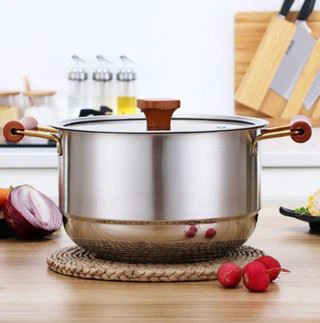
For example, our Stainless Steel Soup Pot is a great choice. It's made of high-quality stainless steel, which is durable and heats evenly. The large capacity ensures that you have plenty of space for your soup to boil without overflowing.
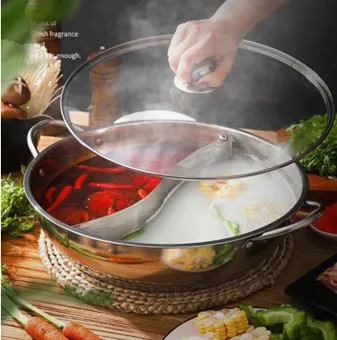
If you're looking for something with a bit more heft, our Thick Stainless Steel Hop Soup Pot is a fantastic option. The thick stainless steel construction helps to distribute heat more evenly, reducing the risk of hot spots that can cause the soup to boil over.
Adjust the Heat
Another important factor in preventing soup from boiling over is adjusting the heat. Once the soup starts to boil, reduce the heat to a simmer. A simmer is a gentle boil where small bubbles rise to the surface of the soup. This will help to keep the soup from boiling too vigorously and prevent the foam from overflowing.
If you're using an electric stovetop, you can usually adjust the heat by turning the dial to a lower setting. If you're using a gas stovetop, you can turn the burner down to a lower flame.
Skim the Foam
As the soup boils, you may notice a layer of foam forming on the surface. This foam is made up of proteins, fats, and impurities that rise to the top. Skimming the foam off the surface of the soup not only helps to prevent it from boiling over but also makes the soup look and taste better.
To skim the foam, simply use a ladle or a slotted spoon to remove the foam from the surface of the soup. You can do this every few minutes as the soup boils.
Use a Lid
Using a lid on your soup pot can also help to prevent soup from boiling over. The lid traps the steam inside the pot, which helps to keep the soup from boiling too vigorously. However, you don't want to use a lid that fits too tightly, as this can cause the pressure to build up inside the pot and increase the risk of the soup boiling over.
Instead, use a lid that fits loosely on the pot. This will allow some of the steam to escape while still keeping the soup from boiling over.
Add a Wooden Spoon
Believe it or not, adding a wooden spoon to your soup pot can help to prevent soup from boiling over. The wooden spoon breaks the surface tension of the soup, which prevents the bubbles from forming and rising to the surface.
To use a wooden spoon, simply place it across the top of the soup pot. Make sure the spoon is long enough to reach from one side of the pot to the other.
Use a Non-Stick Pot
If you're prone to having soup boil over, consider using a non-stick soup pot. Non-stick pots are coated with a special material that prevents food from sticking to the surface. This makes it easier to clean the pot and reduces the risk of the soup boiling over.
Our Thick Stainless Steel Non-stick Spicy Hot Pot is a great option. It's made of thick stainless steel with a non-stick coating, which makes it durable and easy to clean. The large capacity and non-stick surface make it perfect for making soups, stews, and other liquids without the risk of boiling over.
Stir the Soup
Stirring the soup regularly can also help to prevent it from boiling over. Stirring helps to distribute the heat evenly throughout the soup, which reduces the risk of hot spots that can cause the soup to boil over.
To stir the soup, simply use a wooden spoon or a whisk to gently stir the soup in a circular motion. You can do this every few minutes as the soup boils.
Conclusion
Preventing soup from boiling over in a soup pot is easy if you follow these simple tips. By choosing the right soup pot, adjusting the heat, skimming the foam, using a lid, adding a wooden spoon, using a non-stick pot, and stirring the soup regularly, you can enjoy delicious soups without the mess and frustration of boiling over.
If you're in the market for a new soup pot, I encourage you to check out our selection of high-quality soup pots. We offer a variety of sizes, styles, and materials to suit your needs and preferences. Whether you're a professional chef or a home cook, we have the perfect soup pot for you.
If you have any questions or would like to discuss your soup pot needs further, please don't hesitate to reach out. We're here to help you find the perfect soup pot for your kitchen.
References
- "The Science of Cooking: Why Does Soup Boil Over?" ScienceDaily.
- "How to Prevent Soup from Boiling Over." Martha Stewart.