

How to prevent a glass bowl from cracking?
As a bowl supplier, I've witnessed firsthand the frustration that comes with a cracked glass bowl. Glass bowls are not only elegant and versatile but also a staple in many kitchens around the world. Whether you're using them for mixing ingredients, serving salads, or storing leftovers, a cracked bowl can quickly turn into a disappointment. In this blog post, I'll share some valuable tips on how to prevent a glass bowl from cracking, ensuring that your glassware remains in pristine condition for years to come.

Understanding the Causes of Cracking
Before we delve into prevention methods, it's essential to understand why glass bowls crack in the first place. Glass is a brittle material that can be susceptible to various factors, including thermal shock, physical impact, and improper handling.
Thermal Shock: One of the most common causes of glass bowl cracking is thermal shock. This occurs when there is a sudden and significant change in temperature, causing the glass to expand or contract rapidly. For example, placing a cold glass bowl directly on a hot stovetop or adding boiling water to a cold bowl can create stress within the glass, leading to cracks.
Physical Impact: Dropping a glass bowl or hitting it against a hard surface can also cause it to crack. Even a small chip or scratch can weaken the glass and make it more prone to breaking under stress.
Improper Handling: Using metal utensils in a glass bowl or stacking heavy objects on top of it can put excessive pressure on the glass, increasing the risk of cracking.
Preventing Thermal Shock
To prevent thermal shock, it's important to avoid sudden temperature changes when using glass bowls. Here are some tips to help you do this:
- Gradually Heat or Cool the Bowl: If you need to heat a glass bowl, start by placing it in a warm oven or on a low heat setting on the stovetop. Similarly, if you're cooling a hot bowl, let it sit at room temperature for a few minutes before transferring it to the refrigerator.
- Use a Heat Diffuser: When using a glass bowl on a stovetop, place a heat diffuser between the bowl and the burner to distribute the heat evenly and prevent hot spots.
- Avoid Extreme Temperatures: Don't expose a glass bowl to extreme temperatures, such as placing it in the freezer immediately after removing it from the oven. This can cause the glass to expand and contract rapidly, leading to cracks.
Protecting Against Physical Impact
To protect your glass bowls from physical impact, follow these guidelines:
- Handle with Care: Always handle glass bowls gently and avoid dropping them or hitting them against hard surfaces. When washing or drying a glass bowl, use a soft sponge or cloth to prevent scratches.
- Use a Protective Pad: Place a protective pad or trivet under a glass bowl when placing it on a hard surface to absorb shock and prevent cracking.
- Store Properly: Store glass bowls in a cabinet or pantry where they won't be knocked over or damaged. You can also use a bowl organizer or shelf liner to keep them separated and prevent them from rubbing against each other.
Proper Handling Techniques
Using the right handling techniques can also help prevent glass bowls from cracking. Here are some tips to keep in mind:
- Use Non-Metal Utensils: Avoid using metal utensils in a glass bowl, as they can scratch the surface and weaken the glass. Instead, use wooden, silicone, or plastic utensils.
- Don't Overfill the Bowl: Overfilling a glass bowl can put excessive pressure on the sides, increasing the risk of cracking. Leave some space at the top of the bowl to allow for expansion.
- Don't Stack Heavy Objects: Avoid stacking heavy objects on top of a glass bowl, as this can cause it to crack under the weight. If you need to stack bowls, place a soft cloth or paper towel between them to cushion the impact.
Choosing the Right Glass Bowl
Not all glass bowls are created equal. When choosing a glass bowl, look for one that is made from high-quality glass and is designed to withstand thermal shock and physical impact. Here are some features to consider:
- Tempered Glass: Tempered glass is stronger and more resistant to cracking than regular glass. It is often used in kitchenware because it can withstand sudden temperature changes and is less likely to break when dropped.
- Thick Walls: A glass bowl with thick walls is generally more durable and less likely to crack than one with thin walls. Look for bowls that are at least 1/8 inch thick.
- Rounded Edges: Bowls with rounded edges are less likely to chip or crack than those with sharp edges. They are also more comfortable to hold and use.
Our Bowl Products
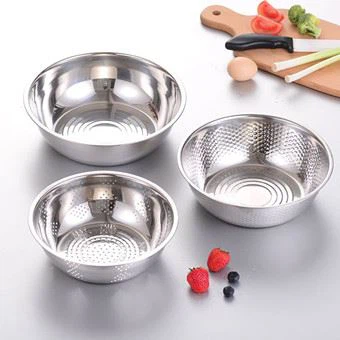
At our company, we offer a wide range of high-quality glass bowls that are designed to meet your needs. Our Multifunctional mixing Washing Drain Bowl sets are perfect for washing and draining fruits, vegetables, and rice. They are made from tempered glass and feature a unique design that allows for easy draining and mixing.
If you're looking for a larger bowl, our Stainless Steel Thai Rice Pot big Bowl is a great option. It is made from high-quality stainless steel and has a large capacity, making it perfect for cooking and serving rice, soups, and stews.
For a more traditional look, our Stainless Steel Rice Washing Bowl is a classic choice. It is made from durable stainless steel and is perfect for washing and rinsing rice.
Conclusion
Preventing a glass bowl from cracking requires a combination of proper handling, temperature control, and choosing the right bowl for the job. By following the tips outlined in this blog post, you can ensure that your glass bowls remain in good condition and last for years to come.
If you're interested in purchasing high-quality glass bowls or have any questions about our products, please don't hesitate to contact us. We're always happy to help you find the perfect bowl for your needs.
References
- "The Science of Glass: How to Prevent Cracking." Glass Association of North America.
- "Tips for Using Glass Cookware Safely." Food Safety.gov.
- "Choosing the Right Glassware for Your Kitchen." Martha Stewart.