

How to maintain an induction hot pot?
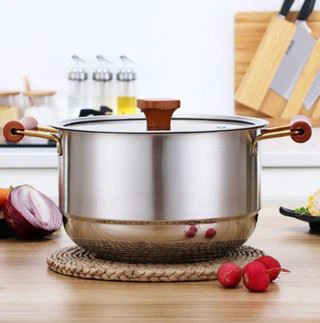
Maintaining an induction hot pot is crucial for ensuring its longevity, efficiency, and continued performance. As a seasoned supplier of a wide range of induction hot pots, including the Golden Seafood Hot Pot, Stainless Steel Seafood Hot Pot, and Stainless Steel Soup Pot, I've gathered valuable insights on how to properly care for these essential kitchen appliances. In this blog, I'll share practical tips and techniques to help you keep your induction hot pot in top - notch condition.
Pre - Use Inspection
Before each use, it's essential to conduct a thorough inspection of your induction hot pot. Start by checking the power cord for any signs of damage, such as fraying, cuts, or exposed wires. A damaged cord can pose a serious safety hazard and should be replaced immediately. Also, examine the body of the hot pot for cracks or chips. Cracks can not only affect the integrity of the pot but can also lead to leaks, which can cause electrical problems if the pot is an electric - heated induction model.
When it comes to the induction base, look for any debris or foreign objects that might have accumulated on the surface. These can interfere with the heating process and may even cause the hot pot to malfunction. Use a dry, soft cloth to gently wipe the induction base and remove any dust or dirt.
Proper Usage
Using your induction hot pot correctly is the first step to maintaining it well. Always place the hot pot on a flat, stable surface. An uneven surface can cause the pot to wobble, which may lead to spills and potentially damage the induction heating element.
It's important to use the correct cookware on your induction hot pot. The pot should be made of magnetic materials, as induction heating relies on magnetic fields to generate heat. Most stainless - steel and cast - iron pots are suitable, but always check the manufacturer's guidelines to be sure. Avoid using pots with a warped bottom, as this can lead to uneven heating and may damage the induction plate.
When adding ingredients, do so gradually. If you pour a large amount of cold liquid into a hot pot all at once, it can cause thermal shock. Thermal shock can lead to cracks in the pot, especially if it's made of ceramic or glass. Also, never let the pot boil dry. This can overheat the induction element and cause permanent damage to both the pot and the heating base.

Cleaning the Interior
After each use, it's important to clean the interior of the induction hot pot promptly. Let the pot cool down completely before you start cleaning. If there are any food residues stuck to the inside of the pot, fill it with warm, soapy water and let it soak for about 15 - 20 minutes. This will help loosen the debris.
Use a soft sponge or a non - abrasive brush to gently scrub the interior. Avoid using harsh abrasives or steel wool, as these can scratch the surface of the pot. Scratches not only make the pot look unappealing but can also provide a breeding ground for bacteria.
For stubborn stains, you can create a natural cleaning solution. Mix equal parts of water and white vinegar, and pour it into the pot. Bring the solution to a gentle boil, then turn off the heat and let it sit for a while. The acidic properties of the vinegar will help dissolve the stains. After that, rinse the pot thoroughly with clean water.
Cleaning the Exterior
The exterior of the induction hot pot, including the induction base, also needs regular cleaning. Start by unplugging the hot pot and allowing it to cool down. Use a slightly damp, soft cloth to wipe the outside of the pot. If there are stubborn marks on the induction base, you can use a mild cleaning agent specifically designed for electrical appliances.
Be careful not to let water seep into the induction base. If the base has ventilation holes, make sure to keep them clean and unobstructed. Blocked ventilation holes can cause the induction base to overheat, which can lead to premature failure of the heating element.
Storage
Proper storage is key to maintaining the quality of your induction hot pot. When not in use, store the hot pot in a dry, cool place. Avoid storing it in a damp environment, as this can lead to rust and corrosion, especially if the pot is made of metal.
If you need to stack other items on top of the hot pot, place a soft cloth or a protective pad between them to prevent scratches. You can also use the original packaging for storage, as it is usually designed to provide the best protection for the hot pot.
Troubleshooting and Maintenance Checks
Even with proper care, you may encounter some issues with your induction hot pot over time. If the pot is not heating properly, first check if it is correctly placed on the induction base. Make sure there are no foreign objects between the pot and the base.
If the problem persists, check the power supply. Ensure that the plug is securely inserted into the socket and that the circuit breaker has not tripped. If the hot pot still doesn't work, it may be a sign of a more serious problem, such as a faulty heating element. In such cases, it's best to contact a professional technician for repairs.
Regularly perform maintenance checks on your induction hot pot. This can include checking the temperature control settings, ensuring the on/off switch is working properly, and inspecting the overall condition of the pot and the base.
Conclusion
Maintaining an induction hot pot is not a difficult task, but it does require consistent care and attention. By following these tips on pre - use inspection, proper usage, cleaning, storage, and troubleshooting, you can extend the lifespan of your induction hot pot and ensure that it continues to perform at its best.
As a supplier, I understand the importance of having a reliable and well - maintained induction hot pot in your kitchen. Whether you're a home cook or a professional chef, a high - quality induction hot pot can make your cooking experience more enjoyable and efficient. If you're interested in purchasing an induction hot pot or have any questions about the maintenance of the products we offer, I encourage you to reach out for a procurement discussion. We're here to help you find the perfect induction hot pot for your needs and provide you with all the support you need to keep it in excellent condition.
References
- "Induction Cookware Care Guide" by Cookware Manufacturers Association
- "Safe Use and Maintenance of Electrical Kitchen Appliances" by National Electrical Safety Institute
- Product manuals of Golden Seafood Hot Pot, Stainless Steel Seafood Hot Pot, and Stainless Steel Soup Pot