

How to know if a food carrier is of good quality?
When it comes to food carriers, ensuring you're getting a high - quality product is crucial. As a food carrier supplier, I've seen firsthand the importance of quality in these items. In this blog, I'll share some key factors to help you determine if a food carrier is of good quality.
Material Quality
The material of a food carrier is one of the most fundamental aspects of its quality. Different materials offer various benefits and drawbacks.
Stainless Steel
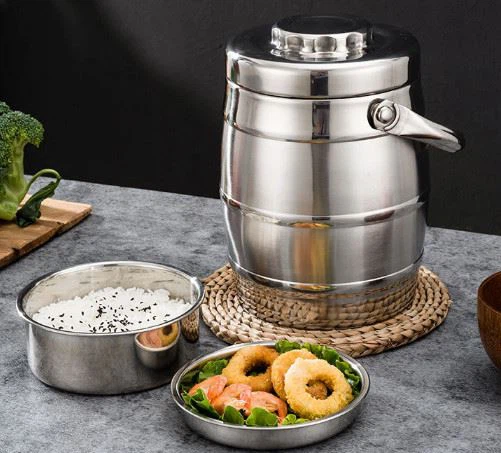
Stainless steel is a popular choice for food carriers. It is durable, resistant to corrosion, and easy to clean. High - quality stainless - steel food carriers, such as the Stainless Steel Double Insulation To Mention Pot, are made from thick - gauge stainless steel. Thicker steel not only provides better insulation but also makes the carrier more robust, less likely to dent or scratch during normal use.
Moreover, the grade of stainless steel matters. Food - grade stainless steel, typically 304 or 316, is safe for storing food as it does not leach harmful chemicals. A good quality stainless - steel food carrier will clearly state the grade of steel used, giving you peace of mind about the safety of your food.
Plastic
Plastic food carriers are lightweight and often more affordable. However, not all plastics are created equal. High - quality plastic carriers are made from BPA - free plastics. BPA (Bisphenol A) is a chemical that has been linked to various health issues, so avoiding it is essential.
In addition to being BPA - free, the plastic should be strong and impact - resistant. Look for carriers with a smooth finish and no visible seams or rough edges, as these can be breeding grounds for bacteria. The Take Away Thermal Food Carrier made of high - quality plastic is designed to be both durable and safe for food storage.
Insulation Performance
One of the main purposes of a food carrier is to keep food at the right temperature. Good insulation is key to achieving this.
Double - Wall Insulation
Double - walled food carriers, whether made of stainless steel or other materials, are generally better at maintaining temperature. The air gap between the two walls acts as an insulator, reducing heat transfer. For example, the Stainless Steel Insulated Thermos Soup Flask uses double - wall insulation to keep soups and other hot liquids hot for hours.
To test the insulation performance, you can fill the carrier with hot or cold liquid and measure the temperature change over a period of time. A high - quality food carrier should maintain a relatively stable temperature for an extended period.
Sealing Mechanism
A tight - fitting lid is essential for good insulation. It prevents heat from escaping and cold air from entering. Look for carriers with lids that have a rubber gasket or a tight - seal design. A well - sealed lid also helps prevent spills, which is especially important when transporting food on the go.
Design and Functionality
The design of a food carrier can greatly affect its usability and quality.
Compartments and Dividers
Some food carriers come with multiple compartments or dividers, which allow you to separate different types of food. This is not only convenient but also helps keep food organized. For example, you can use one compartment for main courses, another for side dishes, and a third for desserts.
Portability
A good food carrier should be easy to carry. It may have handles, straps, or be designed to fit comfortably in a backpack or tote bag. Consider the weight of the carrier when empty and when filled with food. Lightweight materials can make a big difference, especially if you need to carry the carrier for long distances.
Ease of Cleaning
Cleaning a food carrier regularly is important for maintaining food safety. Look for carriers with smooth interiors and removable parts, such as dividers or lids. These can be easily washed in the dishwasher or by hand.
Brand Reputation and Customer Reviews
The reputation of the brand can be a good indicator of the quality of its food carriers. Brands that have been in the market for a long time and have a good track record are more likely to produce high - quality products.
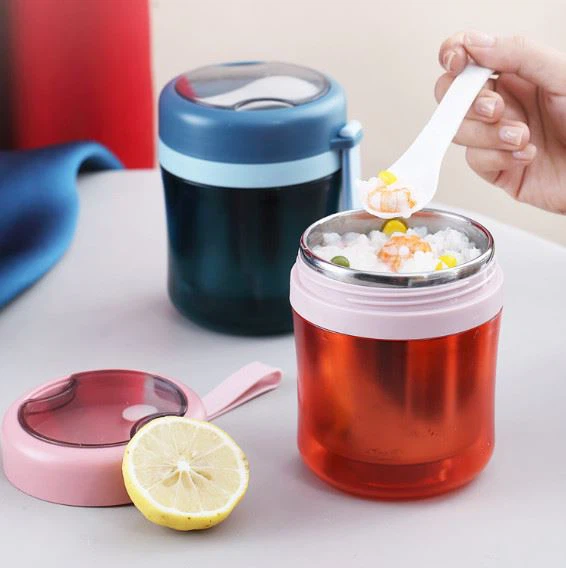
You can also check customer reviews online. Real - life experiences from other users can provide valuable insights into the performance, durability, and overall quality of a food carrier. Pay attention to both positive and negative reviews to get a balanced view.
Certifications and Standards
High - quality food carriers often meet certain certifications and standards. For example, they may comply with food safety regulations in your country. Look for certifications such as NSF (National Sanitation Foundation) or FDA (Food and Drug Administration) approval, which indicate that the product has been tested and meets safety standards.
Price and Value
While price is not always an accurate indicator of quality, extremely cheap food carriers may be of lower quality. A high - quality food carrier may cost more upfront but will likely last longer and perform better, providing better value in the long run.
When comparing prices, consider the features, materials, and brand reputation. A slightly more expensive carrier with better insulation, a durable design, and high - quality materials may be a better investment.
In conclusion, determining the quality of a food carrier involves considering multiple factors, including material quality, insulation performance, design and functionality, brand reputation, certifications, and price. By carefully evaluating these aspects, you can ensure that you choose a food carrier that meets your needs and provides long - lasting, reliable service.
If you're interested in high - quality food carriers for your business or personal use, I encourage you to reach out to discuss your specific requirements. We have a wide range of food carriers, including the ones mentioned above, that are designed to meet the highest standards of quality and performance. Let's start a conversation about how we can provide the best food carriers for you.
References
- "Food Packaging Materials and Their Safety" - A comprehensive guide on the safety of different materials used in food storage.
- "Insulation Technology for Food Containers" - Research on the latest insulation techniques and their effectiveness in food carriers.