

How to keep a lunch box from smelling bad after use?
Hey there! As a lunch box supplier, I've heard one complaint more than any other: stinky lunch boxes. It's a real bummer when your once-fresh-smelling lunch container starts to reek after a few uses. But don't worry, I've got some tried-and-true tips to keep that lunch box smelling as fresh as a daisy.
1. Clean It Right After Use
The number one rule to prevent your lunch box from smelling bad is to clean it as soon as you're done with your meal. Food particles left inside the box can start to break down and produce foul odors. So, right after lunch, give your lunch box a quick rinse with warm water. This helps to get rid of any big chunks of food.
For a more thorough clean, use a mild dish soap. Avoid using harsh chemicals as they can leave a residue that might affect the taste of your food later. Scrub all the corners and compartments of the lunch box, including the lid. Pay special attention to the edges where food can get trapped.
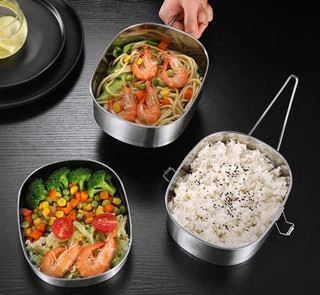
If you're using a Stainless Steel Tiffin Storage Box, it's pretty durable and can handle a good scrubbing. Just make sure to dry it completely before putting it away. Moisture can also lead to mold growth, which definitely won't help with the smell.
2. Use Baking Soda
Baking soda is a wonder ingredient when it comes to getting rid of odors. After you've washed your lunch box, sprinkle a little bit of baking soda inside. Let it sit for a few hours or even overnight. Baking soda works by neutralizing the acids that cause bad smells.
You can also make a baking soda paste by mixing it with a little water. Use this paste to scrub the inside of the lunch box. It's a natural and effective way to clean and deodorize. Just rinse it thoroughly afterward to make sure there's no baking soda left.
3. Keep It Ventilated
Proper ventilation is key to preventing bad smells. Don't keep your lunch box closed up tight all the time. After cleaning, leave the lid off to let it air out. If possible, place it in a well-ventilated area, like near an open window or a fan.
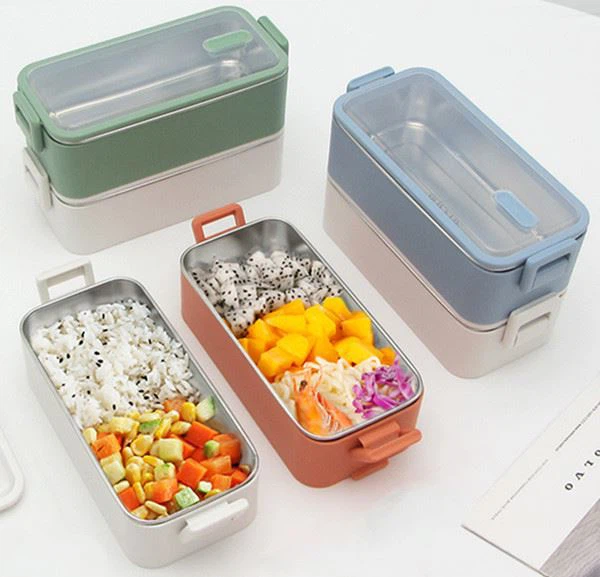
Some lunch boxes, like the Double Layer Compartment Bento Lunch Box, have good ventilation features. They might have small holes or vents that allow air to circulate. This helps to keep the air fresh inside the box and reduces the chances of odor buildup.
4. Avoid Strong-Smelling Foods
Certain foods, like onions, garlic, and fish, have very strong odors that can easily seep into your lunch box. If you're planning to pack these kinds of foods, try to use a separate container inside the lunch box. This way, the smell is contained and won't spread to the whole box.
For example, you can use a small, airtight plastic container to hold your garlicky pasta or fish sandwich. Then, place this container inside your Stainless Steel Double-layer Bento Lunch Box. This not only helps with the smell but also keeps your other food items from getting flavored by the strong-smelling ones.
5. Freeze It
If your lunch box still has a lingering smell after cleaning, try freezing it. Place the empty lunch box in the freezer for a few hours. The cold temperature can help to kill the bacteria that cause bad smells.
Just make sure to wrap it in a plastic bag first to prevent any frost from forming inside. After freezing, take it out and let it thaw at room temperature. Then, give it another quick wash and dry it thoroughly.
6. Use Essential Oils
Essential oils are a great way to add a fresh scent to your lunch box. You can use a few drops of lemon, lavender, or tea tree oil. Soak a cotton ball in the essential oil and place it inside the lunch box for a few hours. These oils have natural antibacterial properties and can help to freshen up the air.
Just be careful not to use too much oil, as it can leave a sticky residue. And make sure to choose an oil that you like the smell of. Some people prefer the citrusy smell of lemon, while others like the calming scent of lavender.
7. Replace Liners and Inserts
If your lunch box has liners or inserts, they can also absorb odors. Over time, these liners can get worn out and start to smell. Make sure to replace them regularly.
Check the manufacturer's instructions to see how often you should replace the liners. If you're using a lunch box with multiple compartments, like the Double Layer Compartment Bento Lunch Box, make sure to clean and replace the liners in each compartment.
8. Wash in the Dishwasher (if applicable)
Some lunch boxes are dishwasher-safe. If yours is, that can be a convenient way to clean it. Just make sure to follow the manufacturer's instructions.
However, be aware that the high heat and strong detergents in the dishwasher can sometimes damage the lunch box. If you're using a plastic lunch box, it might warp or lose its shape. So, use the dishwasher option with caution.
9. Avoid Using Plastic Wrap
Plastic wrap can trap moisture and odors inside the lunch box. Instead, use reusable containers or wax paper. Wax paper is a more breathable option and won't hold in the smell as much.
If you need to cover your food, you can use a silicone lid or a beeswax wrap. These are more eco-friendly and can help to keep your lunch box smelling better.
10. Regular Maintenance
Make a habit of regularly checking your lunch box for any signs of wear and tear. If you notice any cracks or scratches, it might be time to replace it. Damaged lunch boxes can harbor bacteria and are harder to clean properly.
Also, keep an eye on the seals and gaskets. If they're not working properly, air and moisture can get in, leading to bad smells. Replace them if necessary.
In conclusion, keeping your lunch box from smelling bad is all about good cleaning habits, proper ventilation, and a little bit of creativity. By following these tips, you can enjoy a fresh-smelling lunch box every day.
If you're in the market for a new lunch box or looking to stock up for your business, we've got a great selection of high-quality lunch boxes, including the ones mentioned above. We're always happy to discuss your needs and offer the best solutions. Reach out to us to start a procurement conversation and find the perfect lunch boxes for you or your customers.
References
- "The Complete Guide to Lunch Box Cleaning" - Food Storage Magazine
- "Natural Ways to Remove Odors from Containers" - Home Living Today
- "Ventilation and Odor Control in Food Containers" - Kitchen Science Journal