

How to compare different brands of soup pot sets?
Hey there! As a supplier of soup pot sets, I've seen all sorts of brands out there, and I know how tough it can be to choose the right one. In this blog, I'm gonna share some tips on how to compare different brands of soup pot sets, so you can make an informed decision.
Material Matters
First off, let's talk about the materials. The most common materials for soup pot sets are stainless steel, cast iron, and ceramic. Each has its own pros and cons.
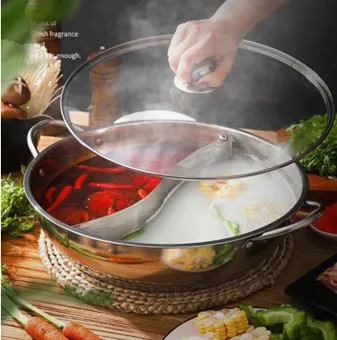
Stainless steel is super popular. It's durable, resistant to rust and corrosion, and easy to clean. Our Thick Stainless Steel Non-stick Spicy Hot Pot is a great example. It's made of high - quality stainless steel that can withstand high temperatures and is non - stick, which makes cooking and cleaning a breeze.
Cast iron pots are known for their excellent heat retention. They can distribute heat evenly, so your soup cooks thoroughly. However, they're heavy and need to be seasoned properly to prevent rusting.

Ceramic pots look nice and can add a touch of style to your kitchen. They're also good at keeping heat, but they're more fragile than stainless steel or cast iron. You gotta be careful not to drop them.
Size and Capacity
Another important factor is the size and capacity of the soup pot sets. Think about how many people you usually cook for. If you have a big family or often host dinner parties, you'll need a larger pot. For example, our 304 Deep Soup Pot has a large capacity, perfect for making big batches of soup.
On the other hand, if you live alone or with just one other person, a smaller pot might be more suitable. It'll save you space in the kitchen and use less energy.
Design and Features
The design and features of soup pot sets can vary a lot between brands. Look for things like lids that fit well. A tight - fitting lid helps to keep the heat and steam inside the pot, which speeds up the cooking process and saves energy.
Some pots come with special features like pour spouts, which make it easier to pour the soup without spilling. Others have ergonomic handles that are comfortable to hold, even when the pot is hot. Our Thick Stainless Steel Hop Soup Pot has well - designed handles that stay cool on the outside, so you can handle the pot safely.
Price and Value
Price is always a consideration when you're comparing brands. But remember, the most expensive brand isn't always the best. You need to look at the value for money. A more expensive pot might have better materials, more features, or a longer warranty.
However, there are also some budget - friendly brands that offer good quality. It's all about finding the right balance between what you need and how much you're willing to spend.
Customer Reviews
One of the best ways to compare different brands is to read customer reviews. Check out online reviews on e - commerce websites or cooking forums. Real customers can give you honest feedback about the performance, durability, and ease of use of the soup pot sets.
Pay attention to both positive and negative reviews. If a lot of people are complaining about the same issue, like a pot not heating evenly or a lid that doesn't fit properly, that's a red flag.
Brand Reputation
A brand's reputation says a lot about the quality of its products. Established brands with a long history in the market usually have a better reputation because they've had time to perfect their manufacturing processes and build a loyal customer base.
But don't discount new brands either. Some new brands are innovative and offer unique features at a lower price. You just need to do your research and see what other people are saying about them.
Compatibility with Cooktops
Make sure the soup pot sets you're considering are compatible with your cooktop. Different materials work better with different types of cooktops. For example, stainless steel pots work well with all types of cooktops, including gas, electric, and induction.
Cast iron pots can be used on gas and electric cooktops, but not all cast iron pots are suitable for induction cooktops. Ceramic pots are usually not compatible with induction cooktops.
Conclusion
So, there you have it! These are the main things to consider when comparing different brands of soup pot sets. By looking at the material, size, design, price, customer reviews, brand reputation, and cooktop compatibility, you can find the perfect soup pot set for your needs.
If you're interested in our soup pot sets, we'd love to have a chat with you about your procurement needs. Whether you're a retailer looking to stock up or an individual looking for a great deal on a high - quality soup pot set, we're here to help. Just reach out, and we can start the discussion.
References
- General knowledge from years of experience in the soup pot set industry.
- Insights gathered from customer feedback and market research.