

How to clean antique dinnerware?
Antique dinnerware holds a unique charm, with its intricate designs and historical significance. As a passionate dinnerware supplier, I've had the privilege of handling a wide range of antique pieces and learning the best ways to clean and preserve them. In this blog post, I'll share some valuable insights on how to clean antique dinnerware effectively while ensuring its longevity.
Understanding the Material
Before you start cleaning any antique dinnerware, it's crucial to identify the material it's made of. Different materials require different cleaning methods to avoid damage. Here are some common materials and their cleaning considerations:
Porcelain and China
Porcelain and china are delicate materials that require gentle cleaning. Start by filling a basin with lukewarm water and add a small amount of mild dish soap. Avoid using abrasive sponges or harsh chemicals, as they can scratch the surface or damage the glaze. Gently wash the dinnerware with a soft cloth or sponge, then rinse it thoroughly with clean water. Pat it dry with a soft towel to prevent water spots.
Glass
Glass antique dinnerware can be cleaned using a similar method to porcelain and china. However, be extra careful when handling glass pieces, as they are more prone to breakage. You can also use a glass cleaner specifically designed for delicate surfaces. Spray the cleaner on a soft cloth and wipe the glass gently. Avoid spraying the cleaner directly on the dinnerware, as it can seep into any cracks or crevices and cause damage.
Silver and Silver-Plated
Silver and silver-plated antique dinnerware require special care to prevent tarnishing. Fill a basin with warm water and add a small amount of mild dish soap. Soak the silverware for a few minutes, then gently scrub it with a soft brush or cloth. Rinse it thoroughly with clean water and dry it immediately with a soft towel. To remove tarnish, you can use a silver polish specifically designed for antique pieces. Apply the polish with a soft cloth and rub it in gently, following the manufacturer's instructions.
Copper and Brass
Copper and brass antique dinnerware can develop a patina over time, which adds to their charm. However, if you want to restore their original shine, you can clean them using a mild abrasive cleaner. Mix a small amount of the cleaner with water to form a paste, then apply it to the dinnerware with a soft cloth. Rub the paste in gently, then rinse it thoroughly with clean water and dry it with a soft towel. Avoid using harsh chemicals or abrasive sponges, as they can scratch the surface of the metal.
Removing Stubborn Stains
Sometimes, antique dinnerware may have stubborn stains that are difficult to remove. Here are some tips on how to tackle common stains:
Food Stains
If your antique dinnerware has food stains, soak it in a mixture of warm water and mild dish soap for a few hours. You can also add a small amount of baking soda to the mixture to help break down the stains. After soaking, gently scrub the stains with a soft brush or cloth. If the stains are still visible, you can try using a specialized stain remover for the specific material of the dinnerware.
Rust Stains
Rust stains can be particularly challenging to remove from antique dinnerware. If the dinnerware is made of metal, you can try using a rust remover specifically designed for antique pieces. Apply the rust remover to a soft cloth and rub it gently on the rust stains. Rinse the dinnerware thoroughly with clean water and dry it immediately with a soft towel. If the rust stains are severe, it's best to consult a professional antique restorer.
Mineral Deposits
Mineral deposits can accumulate on antique dinnerware over time, especially if it has been stored in a humid environment. To remove mineral deposits, soak the dinnerware in a solution of equal parts white vinegar and water for a few hours. After soaking, gently scrub the deposits with a soft brush or cloth. Rinse the dinnerware thoroughly with clean water and dry it with a soft towel.
Cleaning and Preserving Decorative Elements
Antique dinnerware often has decorative elements such as gold or platinum accents, hand-painted designs, or intricate patterns. These elements require special care to prevent damage. Here are some tips on how to clean and preserve decorative elements:
Gold and Platinum Accents
Gold and platinum accents on antique dinnerware should be cleaned gently to avoid scratching or rubbing off the precious metals. Use a soft cloth or brush to remove any dust or dirt from the accents. If the accents are dirty, you can use a mild dish soap and warm water to clean them. Avoid using abrasive cleaners or scrubbing too hard, as this can damage the accents.
Hand-Painted Designs
Hand-painted designs on antique dinnerware are delicate and require gentle cleaning. Use a soft cloth or brush to remove any dust or dirt from the designs. If the designs are dirty, you can use a mild dish soap and warm water to clean them. Avoid using abrasive cleaners or scrubbing too hard, as this can damage the paint. If the paint is chipping or peeling, it's best to consult a professional antique restorer.
Intricate Patterns
Intricate patterns on antique dinnerware can be difficult to clean. Use a soft brush or cloth to remove any dust or dirt from the patterns. If the patterns are dirty, you can use a mild dish soap and warm water to clean them. Avoid using abrasive cleaners or scrubbing too hard, as this can damage the patterns. You can also use a toothpick or a small brush to clean the crevices and corners of the patterns.
Storing Antique Dinnerware
Proper storage is essential to preserve the condition of antique dinnerware. Here are some tips on how to store your antique pieces:
Use Acid-Free Storage Materials
When storing antique dinnerware, use acid-free storage materials such as tissue paper, bubble wrap, or acid-free boxes. Acidic materials can cause damage to the dinnerware over time, especially if it's made of delicate materials such as porcelain or china.
Store in a Cool, Dry Place
Antique dinnerware should be stored in a cool, dry place away from direct sunlight and heat. Exposure to sunlight and heat can cause the dinnerware to fade, crack, or warp. Avoid storing the dinnerware in a damp or humid environment, as this can cause mold and mildew to grow.
Stack Dinnerware Carefully
When stacking antique dinnerware, place a soft cloth or padding between each piece to prevent scratching. Avoid stacking the dinnerware too high, as this can cause it to tip over and break. If you have a large collection of antique dinnerware, consider using a display cabinet or a storage unit specifically designed for delicate items.
Conclusion
Cleaning antique dinnerware requires patience, care, and the right tools and techniques. By following the tips and guidelines outlined in this blog post, you can effectively clean and preserve your antique pieces for generations to come. Remember to always handle antique dinnerware with care and consult a professional antique restorer if you have any concerns or questions.
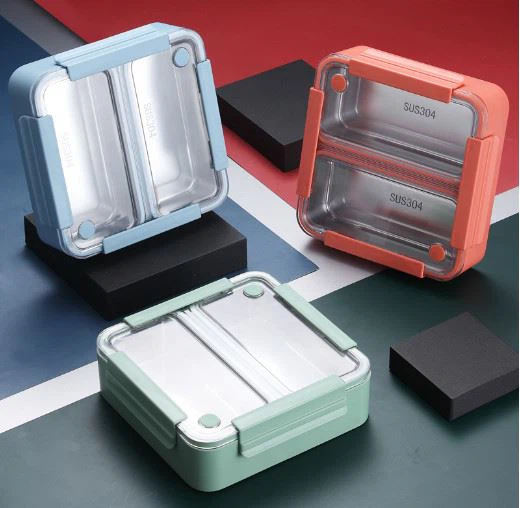

If you're interested in purchasing high-quality dinnerware, including Stainless Steel Vacuum Flask Food Jar, Stackable Tiffin Food Carrier, and Bento Food Storage Box For Tiffin Lunch Box, please feel free to contact us for more information. We're always happy to assist you with your dinnerware needs and help you find the perfect pieces for your collection.
References
- "Antique Dinnerware: Cleaning and Care," AntiqueWeek.com
- "How to Clean Antique Silverware," The Spruce Crafts
- "Cleaning and Preserving Antique China," ChinaPainting.org