

How to add insulation to a lunch box?
Hey there! I'm a supplier of lunch boxes, and I know how important it is to keep your food fresh and at the right temperature. That's why I'm here to share some tips on how to add insulation to a lunch box. Whether you're packing a meal for school, work, or a picnic, these methods can make a big difference.
First off, let's talk about why insulation matters. When you pack your lunch, you want to make sure that hot food stays hot and cold food stays cold. Without proper insulation, your food can quickly reach an unsafe temperature, which can lead to spoilage and foodborne illnesses. Plus, nobody wants to eat a lukewarm sandwich or a melted ice cream!
There are a few different ways to add insulation to a lunch box. Let's start with some simple and cost - effective methods.

Using Insulating Materials
One of the easiest ways is to use common household items. Newspapers are a great option. You can crumple up some newspapers and line the inside of your lunch box. The air pockets in the crumpled paper act as an insulator, helping to slow down the transfer of heat. Just make sure to use clean newspapers, so you don't get any ink on your food.
Another option is to use bubble wrap. Bubble wrap is designed to protect items from bumps and also has excellent insulating properties. Cut a piece of bubble wrap to fit the inside of your lunch box and tape it in place. The air bubbles in the wrap trap heat or cold, keeping your food at a more stable temperature.
If you have some old towels or blankets lying around, you can also use them. Fold a towel or a small blanket and place it in the bottom and around the sides of the lunch box. This will add an extra layer of insulation.
Insulating Liners
There are also commercially available insulating liners that you can buy. These liners are specifically designed to fit inside lunch boxes and are made from materials like neoprene or other insulating fabrics. They are reusable and easy to clean. You can find them in many stores that sell lunch boxes or online.
When choosing an insulating liner, look for one that has a good R - value. The R - value measures the resistance to heat flow, so a higher R - value means better insulation.
Gel Packs and Ice Packs
Gel packs and ice packs are a must - have for keeping cold food cold. You can place them in your lunch box along with your food. Gel packs are great because they can be reused. Just put them in the freezer overnight, and they'll be ready to use the next day.
For hot food, you can use heat packs. You can warm these packs in the microwave and then place them in the lunch box with your hot food to help keep it warm.
Our Lunch Box Options
Now, let me tell you about some of the lunch boxes we offer. We have a Stainless Steel Round Lunch Box Set For Teens. These lunch boxes are not only stylish but also very practical. They are made of high - quality stainless steel, which is durable and easy to clean. And with a little bit of insulation added, they can keep your food at the right temperature for a long time.
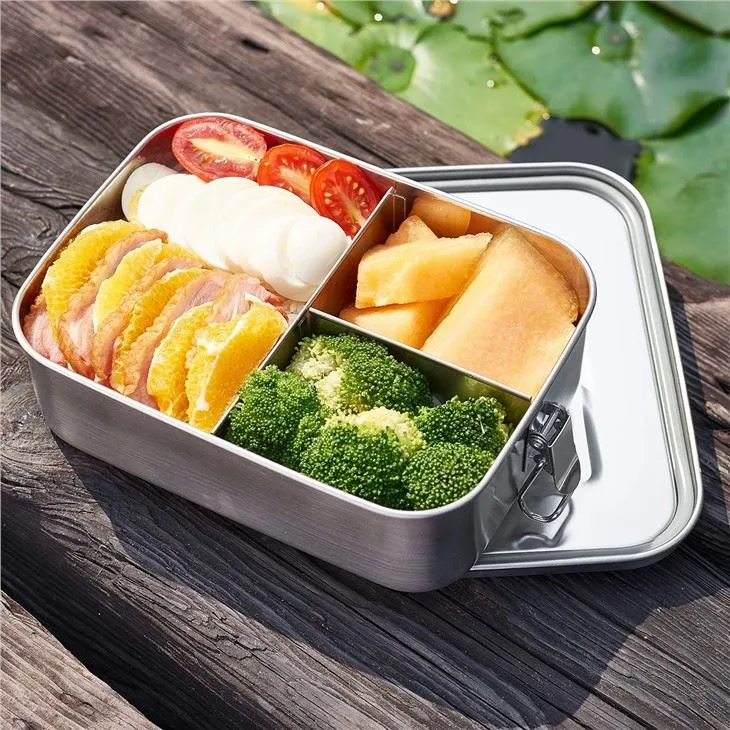
Our 304 Stainless Steel Bento Box is another great option. It has multiple compartments, so you can pack different types of food separately. The stainless steel construction provides some natural insulation, and you can enhance it with the methods I mentioned earlier.
If you're looking for a lunch box for kids, our Stainless Steel Bento Box for Kids is perfect. It's colorful and fun, and it can keep your child's lunch fresh and delicious.
Tips for Maximum Insulation
To get the most out of your insulation, here are a few extra tips. First, pre - cool or pre - heat your lunch box. If you're packing cold food, put your lunch box in the fridge for a little while before you pack your food. If it's hot food, you can pour some hot water into the lunch box, let it sit for a few minutes, and then empty it out before adding your food.
Also, try to fill your lunch box as much as possible. The more food you have in the box, the less air there is, and air is a conductor of heat. So, packing your lunch box tightly can help with insulation.
Finally, make sure to close your lunch box tightly. A good seal will prevent heat or cold from escaping.
Conclusion
Adding insulation to your lunch box is a simple and effective way to keep your food fresh and at the right temperature. Whether you use household items, commercially available liners, or a combination of both, you can make a big difference.
As a lunch box supplier, we're always here to help you find the best lunch box for your needs. If you're interested in purchasing our lunch boxes or have any questions about insulation, feel free to reach out to us. We're more than happy to have a chat and discuss your requirements for a potential purchase.
References
- "Food Safety and Temperature Control" - USDA Food Safety and Inspection Service
- "Insulation Materials and Their Properties" - Building Science Corporation