

How do I keep fruits fresh in a stainless ice bucket?
Hey there! As a supplier of stainless ice buckets, I often get asked about how to keep fruits fresh using these handy containers. Today, I'm gonna share some tips and tricks that I've picked up over the years to help you make the most out of your stainless ice bucket when it comes to fruit storage.
First things first, let's talk about why stainless ice buckets are a great choice for keeping fruits fresh. Stainless steel is a non - porous material, which means it doesn't absorb odors or flavors from the fruits. It's also resistant to corrosion and easy to clean, so you don't have to worry about any build - up that could potentially affect the freshness of your fruits. Plus, stainless ice buckets are excellent at maintaining a low temperature, which is crucial for slowing down the ripening process of fruits.
Preparing the Ice Bucket
Before you start putting your fruits in the ice bucket, you need to prepare it properly. First, give it a good wash with warm, soapy water. Rinse it thoroughly to make sure there's no soap residue left. Then, dry it completely with a clean towel. You don't want any moisture in the bucket as it can lead to mold growth on the fruits.
Once the bucket is clean and dry, it's time to add ice. Fill about one - third to half of the bucket with ice cubes. You can use regular ice cubes from your freezer, or if you want to keep the temperature even lower for a longer time, you can use block ice. Place a layer of ice at the bottom of the bucket, and then you're ready to start adding your fruits.
Choosing the Right Fruits
Not all fruits are created equal when it comes to being stored in an ice bucket. Some fruits are more sensitive to cold temperatures than others. Fruits like apples, pears, grapes, and berries are great choices for ice bucket storage. They can tolerate cold temperatures well and will stay fresh for a longer time.
Apples and pears are hardy fruits. They have a thick skin that helps protect them from the cold. You can place them directly in the ice bucket on top of the ice. Just make sure they're not overcrowded, as good air circulation is important for keeping them fresh.
Grapes are also a good option. You can leave them on the stem and place them in a shallow container or a plastic bag and then put them in the ice bucket. This way, they'll stay chilled and won't get crushed.
Berries, such as strawberries, blueberries, and raspberries, are a bit more delicate. They're prone to mold growth, so it's best to place them in a container with holes or a mesh bag to allow for air circulation. You can also line the container with a paper towel to absorb any excess moisture.
On the other hand, some fruits like bananas, avocados, and tomatoes are not suitable for long - term storage in an ice bucket. Bananas turn black when exposed to cold temperatures, and avocados and tomatoes can lose their flavor and texture.
Laying Out the Fruits
When you're putting the fruits in the ice bucket, it's important to layer them properly. Start with the larger fruits at the bottom, like apples and pears. Then, place the smaller fruits, such as grapes and berries, on top. You can also use dividers or compartments if your ice bucket has them to separate different types of fruits.
If you're storing cut fruits, make sure to place them in sealed containers. Cut fruits are more susceptible to oxidation and spoilage, so keeping them in airtight containers will help them stay fresh for longer. You can also add a little bit of lemon juice to the cut fruits to prevent them from browning.

Maintaining the Temperature
To keep the fruits fresh, you need to maintain a consistent low temperature in the ice bucket. Check the ice level regularly. If the ice has melted, add more ice cubes or a new block of ice. You can also use ice packs in addition to ice cubes. Ice packs are convenient as they last longer and don't melt as quickly.
Keep the lid of the ice bucket closed as much as possible. Every time you open the lid, warm air gets in, which can raise the temperature inside the bucket and reduce the freshness of the fruits. If your ice bucket doesn't have a lid, you can use a plastic wrap or a towel to cover it.
Additional Tips
Another thing you can do is to place a thermometer in the ice bucket. This way, you can monitor the temperature and make sure it stays within the ideal range for fruit storage, which is usually between 32°F and 40°F (0°C and 4°C).
If you're planning to transport the ice bucket with the fruits, make sure it's well - insulated. You can use a cooler bag or a thermal blanket to wrap the ice bucket. This will help keep the cold air in and the warm air out during transportation.
Our Product Range
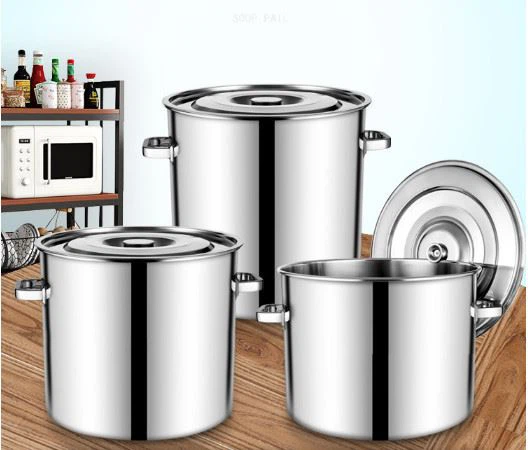
We offer a wide range of stainless ice buckets that are perfect for keeping fruits fresh. One of our popular products is the Round Beverage Tub Beer Barrel Storage Bucket. It has a large capacity and is great for storing a variety of fruits.
We also have the Stainless Steel Barrel Soup Bucket Pot. This bucket is not only useful for making soup but also for storing fruits. Its sturdy construction and good insulation properties make it an ideal choice for keeping fruits at the right temperature.
And if you need a bucket with a larger capacity, our Large Capacity Soup Bucket Beer Brewing Pot is a great option. It can hold a significant amount of fruits, making it perfect for parties or large gatherings.
Contact for Purchase
If you're interested in our stainless ice buckets for keeping your fruits fresh, feel free to reach out to us. We're always happy to discuss your needs and offer the best solutions for your fruit storage requirements.
References
- "The Science of Fruit Storage" by Agricultural Research Service
- "Fruit Preservation Techniques" from the University of California Cooperative Extension