

How can you tell if a bowl is food - grade?
When it comes to selecting bowls for food use, ensuring they are food-grade is of utmost importance. As a bowl supplier, I understand the significance of providing customers with safe and reliable products. In this blog, I'll share some key ways to tell if a bowl is food-grade, which will not only help consumers make informed choices but also highlight the quality of the bowls we offer.
Material Inspection
The first step in determining if a bowl is food-grade is to examine its material. Different materials have distinct characteristics and safety standards.
Ceramic Bowls
Ceramic bowls are a popular choice due to their aesthetic appeal and heat retention properties. To check if a ceramic bowl is food-grade, look for a label indicating that it is lead-free and cadmium-free. Lead and cadmium are toxic heavy metals that can leach into food, especially when the bowl is used with acidic or hot foods.
Another way to test a ceramic bowl is to perform a simple scratch test. Use a sharp object to gently scratch an inconspicuous area of the bowl. If the scratch reveals a layer of paint or glaze that contains heavy metals, it's likely not a food-grade bowl. High-quality ceramic bowls should have a smooth and uniform surface without any signs of chipping or flaking.
Glass Bowls
Glass is a non-porous and inert material, making it an excellent choice for food storage and serving. To determine if a glass bowl is food-grade, check for any visible cracks, chips, or bubbles. These imperfections can weaken the glass and increase the risk of breakage, which could contaminate the food.
Additionally, look for a label indicating that the glass is tempered or heat-resistant. Tempered glass is stronger and more durable than regular glass, making it less likely to shatter under normal use. Heat-resistant glass can withstand high temperatures without cracking or breaking, making it suitable for use in the oven or microwave.
Plastic Bowls
Plastic bowls are lightweight, affordable, and come in a variety of colors and designs. However, not all plastics are safe for food contact. To ensure that a plastic bowl is food-grade, look for a recycling symbol with a number inside. The most common food-grade plastics are marked with the numbers 1, 2, 4, and 5.
Plastic bowls marked with the number 1 (PET or PETE) are commonly used for single-use applications, such as water bottles and food containers. Plastic bowls marked with the number 2 (HDPE) are more durable and can be used for repeated use. Plastic bowls marked with the number 4 (LDPE) are flexible and often used for food storage bags. Plastic bowls marked with the number 5 (PP) are heat-resistant and can be used in the microwave or dishwasher.
Avoid using plastic bowls marked with the numbers 3, 6, and 7, as these plastics may contain harmful chemicals such as bisphenol A (BPA) and phthalates. BPA is a synthetic estrogen that has been linked to a variety of health problems, including reproductive issues, obesity, and cancer. Phthalates are plasticizers that can leach into food and disrupt the endocrine system.
Stainless Steel Bowls
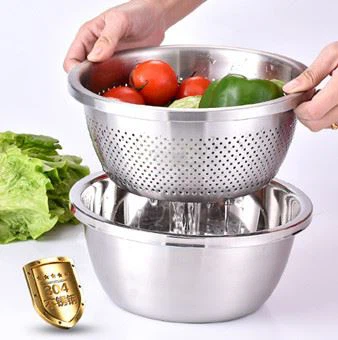
Stainless steel is a durable, corrosion-resistant, and easy-to-clean material that is commonly used for food preparation and storage. To determine if a stainless steel bowl is food-grade, look for a label indicating that it is made from food-grade stainless steel, such as 304 or 316 stainless steel.
Food-grade stainless steel contains a high percentage of chromium and nickel, which makes it resistant to rust and corrosion. It also does not react with food or release any harmful chemicals, making it a safe choice for food contact.
Manufacturing Process
In addition to the material, the manufacturing process also plays a crucial role in determining if a bowl is food-grade. A reputable bowl supplier should follow strict quality control measures to ensure that their products meet the highest safety standards.

Hygiene and Sanitation
During the manufacturing process, the bowls should be produced in a clean and hygienic environment. The production facility should be regularly cleaned and disinfected to prevent the growth of bacteria and other contaminants.
The workers should also follow proper hygiene practices, such as wearing gloves, hairnets, and clean clothing. This helps to prevent the transfer of dirt, sweat, and other contaminants from the workers to the bowls.
Quality Control Checks
A reliable bowl supplier should conduct thorough quality control checks at every stage of the manufacturing process. This includes inspecting the raw materials, monitoring the production process, and testing the finished products.
The raw materials should be inspected for any signs of damage, contamination, or non-compliance with the food-grade standards. The production process should be monitored to ensure that the bowls are manufactured according to the specifications and quality standards. The finished products should be tested for their strength, durability, and safety before being shipped to the customers.
Certifications and Standards
Certifications and standards are important indicators of a bowl's quality and safety. A food-grade bowl should meet the relevant national and international standards for food contact materials.
FDA Approval
In the United States, the Food and Drug Administration (FDA) regulates the use of food contact materials. A bowl that is approved by the FDA has been tested and proven to be safe for food contact. Look for a label indicating that the bowl is FDA-approved or meets the FDA's food contact standards.
EU Food Contact Regulations
In the European Union, the use of food contact materials is regulated by the EU Food Contact Regulations. A bowl that complies with these regulations has been tested and proven to be safe for food contact. Look for a label indicating that the bowl meets the EU's food contact standards.
Other Certifications
In addition to the FDA and EU certifications, there are other certifications and standards that can indicate a bowl's quality and safety. For example, the NSF International is a non-profit organization that certifies products for food safety and quality. A bowl that is certified by the NSF International has been tested and proven to meet the highest standards of food safety and quality.
Our Products
As a bowl supplier, we are committed to providing our customers with high-quality and food-grade bowls. Our product range includes a variety of materials, such as ceramic, glass, plastic, and stainless steel, to meet the different needs and preferences of our customers.
Vegetable Basin Rice Sieve Basin Washing Basket 3 in 1 Set
This versatile 3-in-1 set includes a vegetable basin, a rice sieve basin, and a washing basket. Made from high-quality plastic, it is lightweight, durable, and easy to clean. The set is perfect for washing, soaking, and draining vegetables, fruits, and rice.
Water Filter Basin Rice Mesh Strainer Bowl Vegetable Colander
This water filter basin is designed to remove impurities and debris from water, making it suitable for washing and soaking vegetables, fruits, and rice. Made from food-grade plastic, it is safe and hygienic to use. The fine mesh strainer ensures that even the smallest particles are removed from the water.
Stainless Steel Salad Soup Bowls
These stainless steel salad soup bowls are perfect for serving salads, soups, and other dishes. Made from high-quality 304 stainless steel, they are durable, corrosion-resistant, and easy to clean. The bowls have a smooth and polished surface that is resistant to scratches and stains.
Contact Us for Purchase and Negotiation
If you're interested in purchasing our food-grade bowls or have any questions about our products, please don't hesitate to contact us. We offer competitive prices, excellent customer service, and fast delivery. Our team of experts is always ready to assist you in finding the perfect bowls for your needs.
References
- Food and Drug Administration (FDA). (n.d.). Food Contact Substances. Retrieved from [FDA Website]
- European Union. (n.d.). Food Contact Materials. Retrieved from [EU Website]
- NSF International. (n.d.). Food Safety and Quality Certification. Retrieved from [NSF Website]