

Do stainless steel beer cups collect fingerprints easily?
Stainless steel beer cups have become a popular choice for beer enthusiasts and establishments alike due to their durability, insulation properties, and aesthetic appeal. However, one common concern that often arises is whether these cups collect fingerprints easily. In this blog post, we will delve into the science behind fingerprint collection on stainless steel surfaces and explore ways to mitigate this issue. As a leading supplier of stainless steel beer cups, we understand the importance of providing high-quality products that meet the needs of our customers.
The Science of Fingerprint Collection
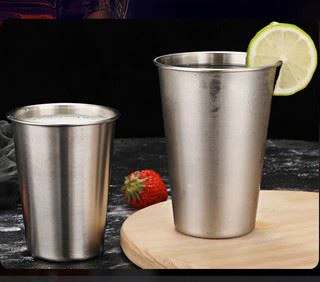
Fingerprints are formed by the ridges and valleys on the tips of our fingers, which secrete sweat and oils. When we touch a surface, these substances are transferred onto the surface, leaving behind a unique pattern that can be used for identification purposes. Stainless steel is a smooth and non-porous material, which means that fingerprints can be easily visible on its surface. The reflectivity of stainless steel also enhances the visibility of fingerprints, making them more noticeable.
The ease with which fingerprints are collected on stainless steel depends on several factors, including the finish of the stainless steel, the amount of oil and sweat on the fingers, and the pressure applied during contact. A polished or mirror-finished stainless steel surface is more likely to show fingerprints than a brushed or matte-finished surface. This is because the smooth surface of polished stainless steel reflects light more evenly, making fingerprints more visible. On the other hand, a brushed or matte finish scatters light, reducing the visibility of fingerprints.
Factors Affecting Fingerprint Visibility
- Surface Finish: As mentioned earlier, the finish of the stainless steel plays a significant role in fingerprint visibility. A polished finish is more likely to show fingerprints, while a brushed or matte finish can help to conceal them. When choosing stainless steel beer cups, consider opting for a brushed or matte finish to minimize the appearance of fingerprints.
- Finger Oils and Sweat: The amount of oil and sweat on our fingers can vary depending on several factors, including diet, stress levels, and temperature. People with naturally oily skin are more likely to leave visible fingerprints on stainless steel surfaces. Additionally, sweating can increase the amount of moisture on the fingers, making fingerprints more likely to adhere to the surface.
- Contact Pressure: The pressure applied during contact with the stainless steel surface can also affect fingerprint visibility. A firm grip or a heavy touch is more likely to leave a visible fingerprint than a light touch. Encouraging customers to handle the beer cups gently can help to reduce the appearance of fingerprints.
Mitigating Fingerprint Collection
While it may not be possible to completely eliminate fingerprint collection on stainless steel beer cups, there are several steps that can be taken to minimize their visibility.
- Choose the Right Finish: As discussed earlier, a brushed or matte finish is less likely to show fingerprints than a polished finish. When selecting stainless steel beer cups for your establishment or personal use, opt for a finish that is less prone to fingerprint collection.
- Use Fingerprint-Resistant Coatings: Some manufacturers offer stainless steel beer cups with fingerprint-resistant coatings. These coatings are designed to repel oils and moisture, making it more difficult for fingerprints to adhere to the surface. While these coatings may not completely eliminate fingerprint collection, they can significantly reduce their visibility.
- Regular Cleaning: Regular cleaning of the stainless steel beer cups can help to remove fingerprints and prevent them from building up over time. Use a mild detergent and a soft cloth to clean the cups, and avoid using abrasive cleaners or scrubbers that can damage the surface.
- Provide Bar Mats or Coasters: Placing bar mats or coasters under the beer cups can help to reduce the amount of contact between the cups and the hands, minimizing the transfer of fingerprints. Encouraging customers to use bar mats or coasters can also help to protect the tabletop from scratches and spills.
Our Product Range
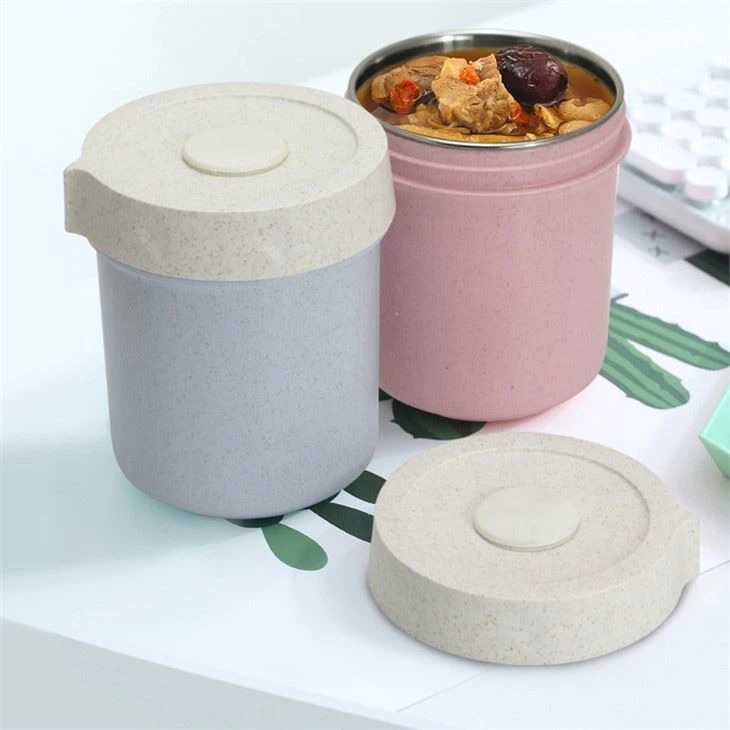
As a supplier of stainless steel beer cups, we offer a wide range of products to meet the needs of our customers. Our Stainless Steel Fordable 200 To 500ml Mug Milk Cup is a versatile option that can be used for both beer and other beverages. It features a foldable design, making it easy to carry and store. Our Double Stainless Steel Reusable Kettle Beverage Mug Water Milk Cup is another popular choice, offering excellent insulation properties to keep your drink hot or cold for longer. For those looking for a more unique option, our Wheat Straw Soup Cup With Stainless Steel Liner combines the natural beauty of wheat straw with the durability of stainless steel.
Conclusion
In conclusion, while stainless steel beer cups may collect fingerprints, there are several steps that can be taken to minimize their visibility. By choosing the right finish, using fingerprint-resistant coatings, regular cleaning, and providing bar mats or coasters, you can ensure that your stainless steel beer cups look their best. As a supplier of high-quality stainless steel beer cups, we are committed to providing our customers with products that not only meet their functional needs but also enhance their overall drinking experience.
If you are interested in purchasing stainless steel beer cups or have any questions about our product range, please do not hesitate to contact us for a procurement discussion. We look forward to serving you and helping you find the perfect stainless steel beer cups for your needs.
References
- ASTM International. (2023). Standard Terminology Relating to Stainless Steel. ASTM A941-23.
- Callister, W. D., & Rethwisch, D. G. (2018). Materials Science and Engineering: An Introduction. Wiley.
- Kuhn, H. J., & Förster, S. (2007). Handbook of Thin Films: Volume 4: Functional Thin Films. Elsevier.