

Do lunch boxes need to be airtight?
When it comes to lunch boxes, one question that often arises is whether they need to be airtight. As a supplier of lunch boxes, I've encountered this query numerous times from customers. In this blog, I'll delve into the science behind airtight lunch boxes, their advantages and disadvantages, and help you decide if they're the right choice for your needs.
The Science of Airtight Containers
To understand the importance of airtightness in lunch boxes, we first need to grasp the basic principles of air and food preservation. Air contains oxygen, moisture, and various microorganisms. Oxygen can cause oxidation, which leads to the deterioration of food, such as the browning of fruits and the rancidity of fats. Moisture can create a breeding ground for bacteria and mold, accelerating food spoilage. Microorganisms, including bacteria, fungi, and viruses, can contaminate food and cause foodborne illnesses.
An airtight lunch box creates a barrier that prevents air from entering or leaving the container. This helps to maintain the freshness of the food by reducing the exposure to oxygen, moisture, and microorganisms. By minimizing these factors, airtight lunch boxes can extend the shelf life of food and keep it safe to eat for a longer period.
Advantages of Airtight Lunch Boxes
- Food Freshness: As mentioned earlier, airtight lunch boxes help to preserve the freshness of food. They can keep fruits and vegetables crisp, prevent sandwiches from getting soggy, and maintain the flavor and texture of cooked meals. This is especially important if you're packing lunch in the morning and won't be eating it until later in the day.
- Odor Control: Airtight containers are excellent at containing odors. They prevent the smell of food from spreading to other items in your bag or refrigerator. This is particularly useful if you're packing strong-smelling foods like onions, garlic, or fish.
- Leakage Prevention: Airtight lunch boxes are designed to be leak-proof. They have tight-fitting lids that prevent liquids and sauces from spilling out, even if the container is turned upside down. This is great for packing soups, stews, or any other liquid-based foods.
- Portability: Airtight lunch boxes are convenient for on-the-go use. They can be easily carried in a backpack, tote bag, or lunch bag without the worry of spills or leaks. This makes them ideal for work, school, picnics, or any other outdoor activities.
Disadvantages of Airtight Lunch Boxes
- Lack of Ventilation: While airtightness is beneficial for preserving food freshness, it can also be a drawback in some cases. Some foods, such as bread and certain types of fruits and vegetables, need to breathe to stay fresh. If they're stored in an airtight container for too long, they may become stale or develop mold.
- Cost: Airtight lunch boxes are generally more expensive than non-airtight ones. This is because they require more advanced sealing technology and higher-quality materials to ensure a tight seal.
- Cleaning: Airtight lunch boxes can be more difficult to clean than non-airtight ones. The tight-fitting lids and seals can trap food particles and moisture, making it challenging to remove all the dirt and bacteria. It's important to clean airtight lunch boxes thoroughly after each use to prevent the growth of mold and bacteria.
When to Choose Airtight Lunch Boxes
- Long-Term Storage: If you're packing lunch in the morning and won't be eating it until several hours later, an airtight lunch box is a great choice. It will help to keep your food fresh and safe to eat.
- Strong-Smelling Foods: If you're packing strong-smelling foods, such as onions, garlic, or fish, an airtight lunch box will prevent the odor from spreading to other items in your bag or refrigerator.
- Liquid-Based Foods: If you're packing soups, stews, or any other liquid-based foods, an airtight lunch box is essential to prevent spills and leaks.
When to Choose Non-Airtight Lunch Boxes
- Bread and Certain Fruits and Vegetables: If you're packing bread or certain types of fruits and vegetables that need to breathe, a non-airtight lunch box or a container with ventilation holes is a better option.
- Budget-Friendly Option: If you're on a tight budget, a non-airtight lunch box may be a more affordable choice.
Our Lunch Box Selection
As a lunch box supplier, we offer a wide range of lunch boxes to meet different needs and preferences. Here are some of our popular products:
- Heat Preservation Water Injection Childrens Bowl: This lunch box is specifically designed for children. It features a water injection layer that helps to keep food warm or cold for a longer period. The airtight lid ensures that the food stays fresh and prevents leaks.
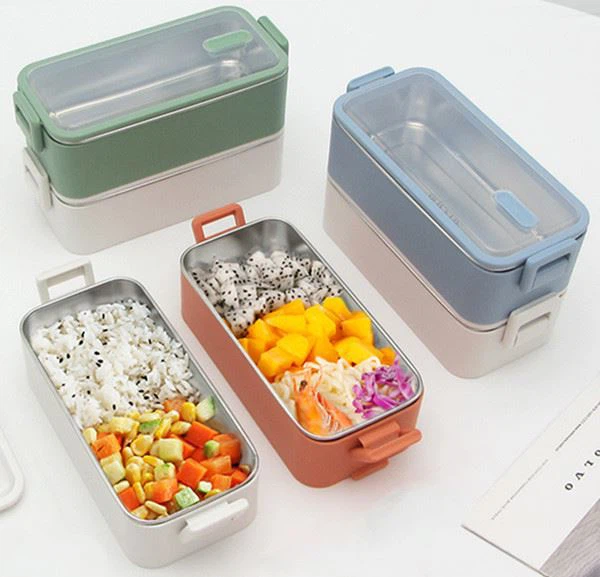
- Double Layer Compartment Bento Lunch Box: This lunch box is perfect for packing a variety of foods. It has two layers with multiple compartments, allowing you to separate different types of food. The airtight design keeps the food fresh and prevents cross-contamination.
- Stainless Steel Double Stage Lunch Box: This lunch box is made of high-quality stainless steel, which is durable and easy to clean. It has two stages with a large capacity, making it suitable for packing a full meal. The airtight lid provides excellent food preservation and prevents leaks.
Conclusion
In conclusion, whether lunch boxes need to be airtight depends on your specific needs and preferences. Airtight lunch boxes offer many advantages, such as food freshness, odor control, leakage prevention, and portability. However, they also have some disadvantages, such as lack of ventilation, higher cost, and more difficult cleaning. By considering the type of food you're packing, how long you'll be storing it, and your budget, you can make an informed decision on whether an airtight lunch box is right for you.
If you're interested in purchasing our lunch boxes or have any questions, please feel free to contact us for procurement discussions. We're committed to providing high-quality products and excellent customer service.

References
- Food Safety and Inspection Service. (n.d.). Keeping Food Safe During picnics and other Outdoor Events. Retrieved from [website of FSIS]
- United States Department of Agriculture. (n.d.). Safe Storage of Food. Retrieved from [website of USDA]