

Can I freeze soup in the soup pot?
As a seasoned soup pot supplier, I often encounter various questions from customers, and one that frequently pops up is, "Can I freeze soup in the soup pot?" This seemingly simple question actually involves a lot of considerations related to the type of soup pot, the nature of the soup, and the freezing process itself. In this blog, I'll delve into these aspects to provide you with a comprehensive answer.
Understanding the Soup Pot Materials
First and foremost, the material of the soup pot plays a crucial role in determining whether it's suitable for freezing. At our company, we offer a wide range of soup pots made from different materials, each with its own characteristics.
Stainless Steel Soup Pots
Stainless steel is a popular choice for soup pots due to its durability, resistance to corrosion, and ease of cleaning. Our Stainless Steel Cooking Stew Saucepan Casserole Stock Soup Pot is a prime example. Stainless steel is generally safe for freezing. It can withstand low temperatures without cracking or warping. However, it's important to note that some stainless steel pots may have a thin layer of non - stick coating. If this is the case, you need to check the manufacturer's instructions to ensure that the coating can handle freezing temperatures.
SS 304 Pots
Another type of stainless steel pot we offer is the SS 304 Pot For Kitchen Cooking Pots. SS 304 is a high - quality stainless steel alloy that is known for its excellent strength and corrosion resistance. These pots are well - suited for freezing soup. The material is stable at low temperatures, and it won't leach any harmful substances into the soup.
Induction Hot Pots
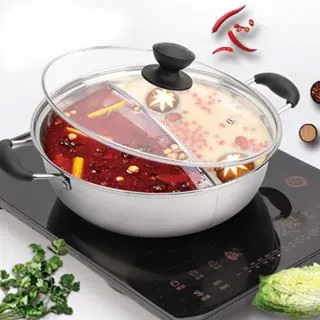
Our Induction Hot Pot is designed for both cooking on induction stoves and other heat sources. When it comes to freezing, most induction hot pots are made of materials that can tolerate cold temperatures. However, since they often have a more complex structure, including heating elements and control panels, you should only freeze soup in the pot's inner container if it's detachable and made of a freezer - safe material.
The Nature of the Soup
The type of soup also affects whether you can freeze it in the pot.
Thick Soups
Thick soups, such as chowders or cream - based soups, can expand significantly when frozen. If you freeze a thick soup in a tightly sealed pot, there's a risk of the pot cracking due to the pressure exerted by the expanding soup. To avoid this, you should leave some headspace in the pot. A good rule of thumb is to leave about an inch or two of space at the top of the pot to allow for expansion.
Broth - Based Soups
Broth - based soups are generally less likely to cause problems when frozen. They expand less than thick soups, but it's still a good idea to leave some headspace. Additionally, if the soup contains a lot of vegetables or meat, make sure they are cut into appropriate sizes. Large pieces of vegetables or meat may not freeze evenly, which can affect the quality of the soup.
The Freezing Process
Once you've determined that your soup pot is suitable for freezing and you've considered the nature of the soup, it's time to focus on the freezing process.
Cooling the Soup
Before you put the soup in the freezer, it's essential to let it cool down to room temperature. Putting hot soup directly into the freezer can raise the temperature inside the freezer, which may affect the quality of other frozen items. It can also cause the soup to develop ice crystals more quickly, which can change the texture of the soup.
Sealing the Pot
Proper sealing is crucial to prevent freezer burn and to keep the soup fresh. Make sure the lid of the soup pot fits tightly. If the pot doesn't have a lid or the lid is damaged, you can use plastic wrap or an air - tight freezer bag to cover the pot.
Labeling
Don't forget to label the pot with the date and the type of soup. This will help you keep track of how long the soup has been in the freezer and what's inside the pot.
Potential Risks and Precautions
While freezing soup in the soup pot is generally possible, there are some potential risks that you need to be aware of.

Cracking
As mentioned earlier, the expansion of the soup during freezing can cause the pot to crack, especially if it's made of a brittle material or if there's no headspace. To minimize this risk, choose a pot made of a durable material and leave enough space for expansion.
Contamination
If the soup pot is not clean or if it has been used to cook other foods that may have left residues, there's a risk of contamination. Make sure to wash the pot thoroughly before using it to store soup in the freezer.
Quality Loss
Over time, the quality of the soup may deteriorate even when frozen. The texture of the vegetables may become mushy, and the flavors may blend together in an undesirable way. To maintain the best quality, try to consume the soup within 2 - 3 months.
Conclusion
In conclusion, whether you can freeze soup in the soup pot depends on several factors, including the material of the pot, the nature of the soup, and the freezing process. At our company, we offer a variety of soup pots that are suitable for freezing, such as the Stainless Steel Cooking Stew Saucepan Casserole Stock Soup Pot, SS 304 Pot For Kitchen Cooking Pots, and Induction Hot Pot. By following the proper procedures and taking the necessary precautions, you can safely freeze soup in your soup pot and enjoy delicious homemade soup whenever you want.
If you're interested in purchasing high - quality soup pots for your kitchen or for your business, we'd love to have a conversation with you. Contact us to discuss your procurement needs, and our team of experts will be happy to assist you in finding the perfect soup pots for your requirements.
References
- "The Science of Freezing Food" by Food Science Journal
- Manufacturer's instructions for our soup pots