

Can food carriers be used for transporting leftovers?
In the era of heightened environmental awareness and a growing focus on reducing waste, the question of whether food carriers can be used for transporting leftovers has gained significant traction. As a supplier of high - quality food carriers, I've witnessed firsthand the increasing demand for products that not only serve their primary function but also contribute to a more sustainable lifestyle. In this blog, I'll delve into the viability of using food carriers for transporting leftovers, exploring their benefits, considerations, and the types of food carriers that are particularly well - suited for this purpose.

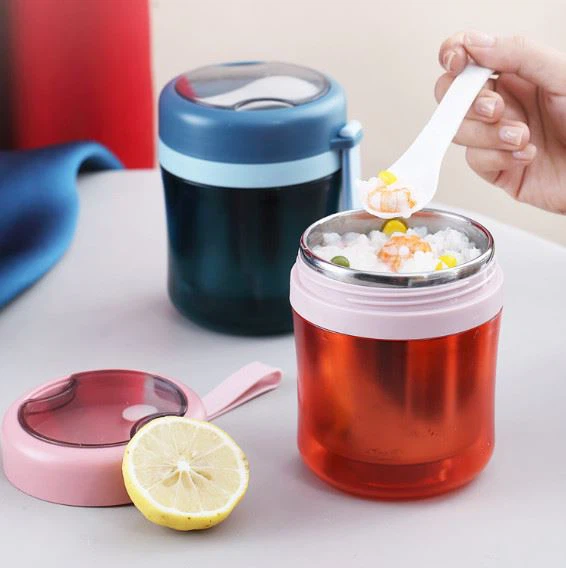
The Benefits of Using Food Carriers for Leftovers
Preservation of Food Quality
One of the most significant advantages of using food carriers for transporting leftovers is the ability to preserve the quality of the food. Many modern food carriers, such as the 2 Layer Thermal Vacuum Stackable Food Carrier, are designed with advanced insulation technology. This insulation helps to maintain the temperature of the food, whether it's hot or cold. For hot leftovers, it keeps them warm for extended periods, preventing them from becoming lukewarm and unappetizing. On the other hand, for cold leftovers like salads or dairy - based dishes, it helps to keep them chilled, reducing the risk of spoilage.
Hygiene and Safety
Food carriers provide a sealed and enclosed environment for leftovers, which is crucial for maintaining hygiene. They protect the food from external contaminants such as dust, dirt, and bacteria. Unlike using regular plastic bags or open containers, food carriers with tight - fitting lids prevent spills and leaks, ensuring that the food remains clean and safe to consume. This is especially important when transporting leftovers in public spaces or in a vehicle.
Convenience and Portability
Another benefit is the convenience and portability that food carriers offer. They come in various sizes and shapes, making it easy to choose one that suits the amount and type of leftovers you need to transport. Whether you're taking leftovers from a restaurant to your home or bringing them to work for lunch, food carriers are designed to be easy to carry. Some are even stackable, allowing you to transport multiple containers at once without taking up too much space.
Considerations When Using Food Carriers for Leftovers
Compatibility with Different Types of Food
Not all food carriers are suitable for every type of leftover. For example, acidic foods like tomatoes or citrus - based dishes may react with certain materials. When choosing a food carrier for such foods, it's important to select one made from a non - reactive material such as stainless steel. The Stainless Steel Insulated Thermos Soup Flask is an excellent choice for transporting soups, stews, or other liquid - based leftovers as it is resistant to corrosion and can maintain the temperature of the food effectively.
Cleaning and Maintenance
Proper cleaning and maintenance of food carriers are essential to ensure their continued functionality and hygiene. Some food carriers may have intricate designs or multiple compartments, which can make them more challenging to clean. It's important to follow the manufacturer's cleaning instructions carefully. Regular cleaning helps to prevent the buildup of food residues and odors, which can affect the quality of future leftovers stored in the carrier.
Temperature Limitations
While food carriers are designed to insulate, they do have temperature limitations. Extreme temperatures can still affect the performance of the insulation. For example, if you leave a food carrier with hot leftovers in a very hot car for an extended period, the food may still spoil. It's important to be aware of these limitations and take appropriate measures to ensure that the food remains at a safe temperature.
Types of Food Carriers Suitable for Leftovers
Thermal Food Carriers
Thermal food carriers, such as the 2 Layer Thermal Vacuum Stackable Food Carrier, are ideal for transporting both hot and cold leftovers. Their vacuum - insulated design provides excellent temperature retention. These carriers are often made of durable materials and come in different sizes, making them suitable for a variety of leftovers, from large family - sized meals to individual portions.
Thermos Flasks
Thermos flasks, like the Stainless Steel Insulated Thermos Soup Flask, are specifically designed for transporting liquid - based leftovers. They are perfect for soups, broths, and even hot beverages. The stainless - steel construction ensures durability and resistance to corrosion, while the insulation keeps the liquid hot or cold for hours.
Stackable Food Containers
Stackable food containers, such as the 201 Food Carrier, are great for transporting solid leftovers. They are usually made of plastic or glass and come with tight - fitting lids. Their stackable design allows for efficient storage and transportation, making them a popular choice for those who need to transport multiple containers at once.
Conclusion
In conclusion, food carriers can indeed be used effectively for transporting leftovers. They offer numerous benefits, including preservation of food quality, hygiene, and convenience. However, it's important to consider factors such as compatibility with different types of food, cleaning and maintenance, and temperature limitations. By choosing the right type of food carrier for your leftovers, you can ensure that your food remains fresh, safe, and delicious.
If you're interested in exploring our range of food carriers for transporting leftovers, we'd love to hear from you. Whether you're a restaurant owner looking for bulk supplies or an individual in need of a high - quality food carrier, we have the products to meet your needs. Feel free to reach out to us to discuss your requirements and start a procurement conversation.
References
- "Food Storage and Preservation: Best Practices." Journal of Food Science and Technology.
- "The Importance of Hygiene in Food Transportation." International Journal of Food Safety.
- "Thermal Insulation Materials for Food Containers." Materials Science and Engineering Journal.