

Can an induction hot pot be used for making hot pot with a thin - walled pot?
As a seasoned supplier of Induction Hot Pots, I often encounter various inquiries from customers, one of the most frequent being whether an induction hot pot can be used with a thin - walled pot to make hot pot. This question is not only practical but also crucial for those who are looking to enjoy a delicious hot pot while making the most of their cooking equipment. In this blog, I'll delve into the science behind induction heating, the suitability of thin - walled pots, and provide some practical tips for using an induction hot pot effectively.
Understanding Induction Heating Technology
Before we discuss the compatibility of thin - walled pots with induction hot pots, it's essential to understand how induction heating works. Induction cooktops use electromagnetic fields to directly heat the cookware. When an alternating current passes through a coil beneath the cooktop surface, it creates a magnetic field. This magnetic field then induces an electric current (eddy current) in the ferromagnetic material of the cookware. The resistance of the cookware to this eddy current generates heat, which is used to cook the food.
The key requirements for cookware to work on an induction cooktop are that it must be made of a ferromagnetic material, such as cast iron or stainless steel with a magnetic grade. The cookware also needs to have a flat bottom to ensure maximum contact with the cooktop surface, allowing for efficient transfer of the magnetic field.
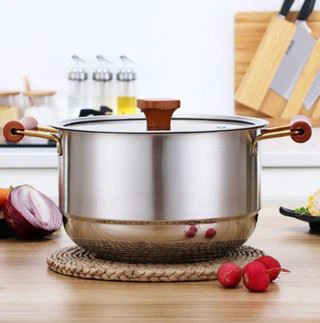

Suitability of Thin - Walled Pots for Induction Hot Pots
Thin - walled pots can be used with induction hot pots, but there are several factors to consider.
Advantages of Using Thin - Walled Pots
- Faster Heating: Thin - walled pots generally heat up faster than thick - walled ones. Since the heat transfer through the thin material is quicker, you can start cooking your hot pot ingredients in a shorter time. This is especially beneficial when you're in a hurry or want to quickly bring the broth to a boil.
- Energy Efficiency: Because thin - walled pots heat up rapidly, they require less energy to reach the desired cooking temperature. This can result in cost savings over time, making them an attractive option for those who are conscious about their energy consumption.
Disadvantages of Using Thin - Walled Pots
- Uneven Heating: One of the main drawbacks of thin - walled pots is that they may heat unevenly. The thin material can't distribute heat as effectively as a thick - walled pot, which may lead to hot spots in the pot. This can cause some parts of the hot pot ingredients to overcook while others remain undercooked.
- Durability: Thin - walled pots are generally less durable than their thick - walled counterparts. They are more prone to dents, scratches, and warping, especially if they are dropped or exposed to high heat for extended periods.
Choosing the Right Thin - Walled Pot for Your Induction Hot Pot
If you decide to use a thin - walled pot with your induction hot pot, here are some tips to help you choose the right one:
Material
- Stainless Steel: Stainless steel is a popular choice for thin - walled pots as it is corrosion - resistant, easy to clean, and has good magnetic properties, making it suitable for induction heating. You can check out our Stainless Steel Seafood Hot Pot for a high - quality option.
- Enamel - Coated Steel: Enamel - coated steel pots combine the magnetic properties of steel with the non - stick and corrosion - resistant properties of enamel. They are also available in a variety of colors, adding a touch of style to your hot pot experience.
Size and Shape
- Size: The size of the pot should be appropriate for the number of people you're cooking for. A larger pot is suitable for a group gathering, while a smaller pot may be sufficient for a solo or couple's hot pot.
- Shape: A flat - bottomed pot is essential for induction heating. Pots with a wide and flat bottom provide better contact with the induction cooktop, ensuring efficient heat transfer.
Tips for Using a Thin - Walled Pot with an Induction Hot Pot
- Pre - heat the Pot: Before adding the broth and ingredients, pre - heat the thin - walled pot on a low to medium heat setting. This helps to minimize the risk of uneven heating and reduces the chance of food sticking to the pot.
- Stir Regularly: To ensure even cooking, stir the hot pot ingredients regularly. This helps to distribute the heat evenly and prevents any hot spots from forming.
- Use a Heat Diffuser: If you notice that your thin - walled pot is heating unevenly, you can use a heat diffuser. A heat diffuser is placed between the pot and the induction cooktop and helps to distribute the heat more evenly.
Our Induction Hot Pot Offerings
At our company, we offer a wide range of Induction Hot Pots that are designed to work efficiently with various types of cookware, including thin - walled pots. Our induction hot pots are equipped with advanced technology to provide precise temperature control, ensuring that you can cook your hot pot to perfection every time.
We also offer a selection of Stainless Steel Soup Pots that are suitable for use with our induction hot pots. These pots are made from high - quality stainless steel, ensuring durability and even heat distribution.
Contact Us for Purchase and Consultation
If you're interested in purchasing an induction hot pot or have any questions about using a thin - walled pot with an induction hot pot, we'd love to hear from you. Our team of experts is always ready to provide you with detailed information and guidance to help you make the best choice for your cooking needs. Whether you're a home cook or a professional chef, we can offer the right solutions for you. Reach out to us, and let's start a discussion about your induction hot pot requirements.
References
- "Induction Cooking: How It Works and Its Benefits" by Cook's Illustrated.
- "Choosing the Right Cookware for Induction Cooking" by America's Test Kitchen.
- "The Science of Heat Transfer in Cookware" by Physics Today.