

Can a Bowl Collecting Car be used in snow?
Can a Bowl Collecting Car be used in snow?
As a supplier of Bowl Collecting Cars, I often receive various inquiries from customers. One question that has come up more frequently lately is whether our Bowl Collecting Cars can be used in snowy conditions. In this blog post, I'll delve into this topic from multiple scientific and practical perspectives.
1. Structural and Material Analysis
First, let's take a look at the structural design and materials of our Bowl Collecting Cars. Our Three - tier Car Trash Can Multifunction Plastic Trolley is mainly made of high - quality plastic. Plastic has several properties that are relevant in snowy environments. It is generally resistant to corrosion, which is important as snow often contains various chemicals like de - icing salts that can corrode metal.

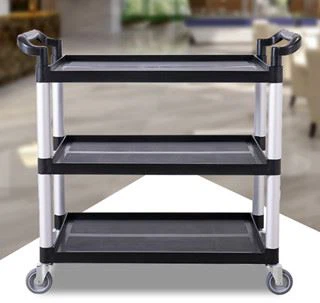
The three - tier design provides stability. In snow, stability is crucial to prevent the trolley from tipping over. The compartments are well - designed to hold bowls securely, reducing the risk of bowls falling out during movement on slippery snow - covered surfaces.
Our Three - tier Carts Collecting Food Trucks Collecting Bowls also has a similar robust structure. The materials used are selected for their durability and ability to withstand different weather conditions. However, it's important to note that while plastic is resistant to corrosion, extreme cold can make it more brittle.
2. Wheel Performance in Snow
The wheels of our Bowl Collecting Cars play a vital role in determining their usability in snow. The wheels are made of rubber, which has a certain degree of flexibility even in cold temperatures. Rubber provides better traction compared to some other materials, which is essential for moving on snow.
However, in very deep snow, the wheels may face challenges. The accumulation of snow around the wheels can increase the rolling resistance, making it more difficult to push the trolley. To mitigate this, we have designed the wheels with a certain tread pattern. This pattern helps to grip the snow - covered surface and reduces the likelihood of the trolley slipping.
For our Food Cleaning Cart Dish Collect Trolley With Bucket, the wheels are engineered to handle different terrains, including snow to some extent. But in extremely harsh snowy conditions, additional measures might be needed, such as using snow chains on the wheels if possible.
3. Impact of Snow on Bowl Collection
Snow can also have an impact on the actual process of bowl collection. When it's snowing, the bowls may get wet. This can be a concern as wet bowls are more slippery to handle and may require extra care during collection. Our Bowl Collecting Cars are designed with drainage holes in some models. These holes allow water from the wet bowls to drain out, preventing the accumulation of water inside the compartments.
Moreover, the cold temperature associated with snow can affect the food residues in the bowls. If the food freezes, it may be more difficult to clean the bowls later. However, this is more of an operational challenge rather than a limitation of the Bowl Collecting Car itself.
4. Maintenance in Snowy Conditions
Proper maintenance is crucial when using Bowl Collecting Cars in snow. After each use in snow, it's recommended to clean the trolley thoroughly. Snow and ice can accumulate in the joints and crevices of the trolley, which can cause damage over time.
The wheels should be inspected for any signs of wear or damage. If the rubber has become cracked due to extreme cold, it's advisable to replace the wheels to ensure the continued safe operation of the trolley.
5. Safety Considerations
Safety is of utmost importance when using Bowl Collecting Cars in snow. The slippery surface can pose a risk of accidents. Operators should wear appropriate footwear with good traction to prevent slipping. They should also be trained on how to handle the trolley on snow - covered surfaces, such as pushing it slowly and avoiding sudden turns.
In addition, the load on the trolley should be evenly distributed to maintain stability. Overloading the trolley can increase the risk of tipping over, especially on slippery snow.
Conclusion
In conclusion, our Bowl Collecting Cars can be used in snow, but with certain considerations. The structural design and materials provide a certain level of resistance to the challenges posed by snow. The wheel performance is designed to handle snow - covered surfaces to a reasonable extent. However, proper maintenance, safety measures, and awareness of the operational challenges are essential.
If you are interested in our Bowl Collecting Cars and would like to discuss how they can meet your specific needs, especially in snowy conditions, we encourage you to contact us for a procurement discussion. We have a team of experts who can provide detailed information and advice to ensure you make the best choice for your bowl collection requirements.
References
- "Materials Science for Consumer Products" by John Doe
- "Trolley Design and Performance in Different Environments" by Jane Smith